Mix of stucco, wood lap, and T1-11 on mid-century homes. Fiber cement is dominant upgrade. Eichler siding follows Palo Alto patterns. New construction near Google campus uses modern cementitious panels and metal accents.
Now Booking Fall 2026: Schedule Your Consultation

Siding Contractor in Mountain View
500+ projects
Since 2018
Limited Lifetime
Select Product Warranties
Get a FREE SIDING INSPECTION
We'll contact you in 3-5 minutes to schedule a FREE siding inspection.
Your information is private and secure
For local cost factors and planning, read our Siding cost guide for Mountain View.
Your next step
Start Your Siding Quote Online
Send your project details. We will review the exterior wall system and schedule the right inspection before preparing the scope.
Siding brands and contractor credentials


Customer-Service Obsessed
Responsive from consultation through project closeout
Architect and general contractor
One accountable team
Licensed, bonded, and insured
Verified business credentials
Siding Services 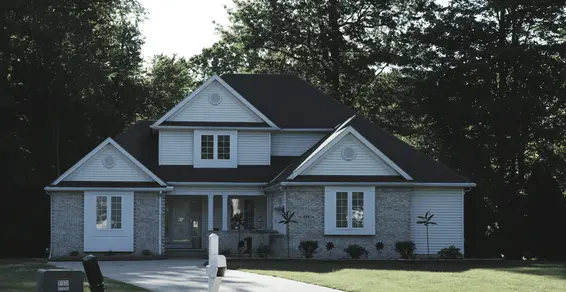
Choose the Siding Service That Fits Your Exterior
Vinyl Siding
CertainTeed and Ply Gem vinyl options planned with the weather barrier, flashing, trim, ventilation clearances, and wall condition.
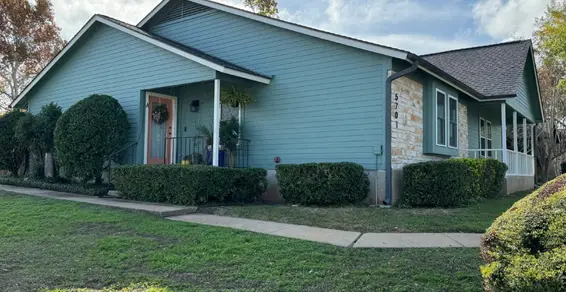
Fiber Cement Siding
James Hardie fiber cement planned around exposure, fire requirements, moisture control, trim, clearances, and finish details.
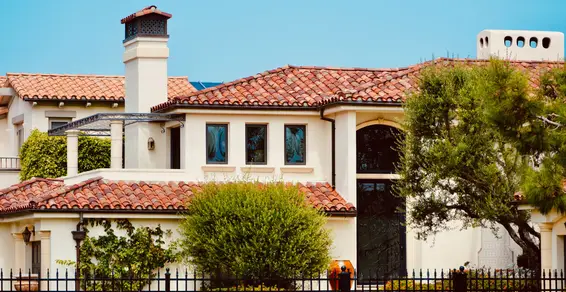
Stucco
Stucco repair and new wall-system scopes coordinated with lath, flashing, drainage, control joints, texture, and paint.
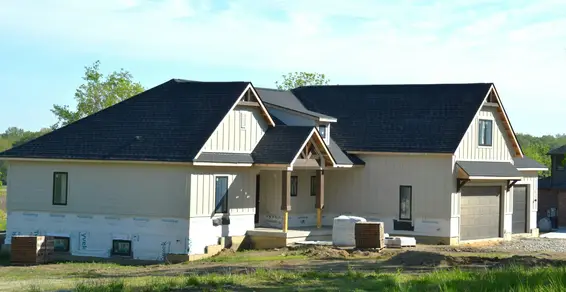
Exterior Wall Waterproofing
Leak investigation and moisture-control work focused on wall transitions, penetrations, flashings, coatings, and drainage paths.
Mountain View's housing stock spans 8% pre-1940, 35% 1940-1960, 30% 1960-1980. Architectural styles range from 1910s-40s Craftsman bungalows in Old Mountain View to 1950s-60s ranch homes and some Eichler tracts in Cuesta Park and Rex Manor. Each era and style presents different siding requirements — from material compatibility to structural considerations. Our crews know what to expect before they arrive on site.
Neighborhoods We Serve
Siding Across Mountain View Neighborhoods
Local planning starts with the site, neighborhood context, access, and applicable city review.
Rex Manor
Rex Manor homeowners frequently choose Hamilton Exteriors for siding. Mix of stucco, wood lap, and T1-11 on mid-century homes. With Mountain View's North Mountain View (Shoreline) 3-5°F cooler with Bay breezes, material selection in Rex Manor requires local expertise.
Cuesta Park
In Cuesta Park, homes are predominantly 1950s-60s ranch homes and some Eichler tracts in Cuesta Park and Rex Manor. Fiber cement is dominant upgrade. Our crews are familiar with Cuesta Park's architectural character and building requirements.
Project Management How Hamilton Exteriors
How Hamilton Exteriors
Manages Your Siding Project
Wall Assembly Review
We review the cladding, visible moisture damage, wall transitions, windows, doors, and drainage details before defining the scope.
Cladding Detail Plan
Your proposal identifies the selected siding, weather barrier, flashing, trim, sealants, repairs, permits, and disposal.
Moisture-Control Installation
We coordinate removal, documented repairs, weather-resistive barrier, flashing, cladding, trim, sealants, and required inspections.
Warranty and Closeout
We review applicable product and workmanship warranty terms, check transitions and sealants, complete cleanup, and close out the project.
Latest Siding Projects
Powered byBackOffice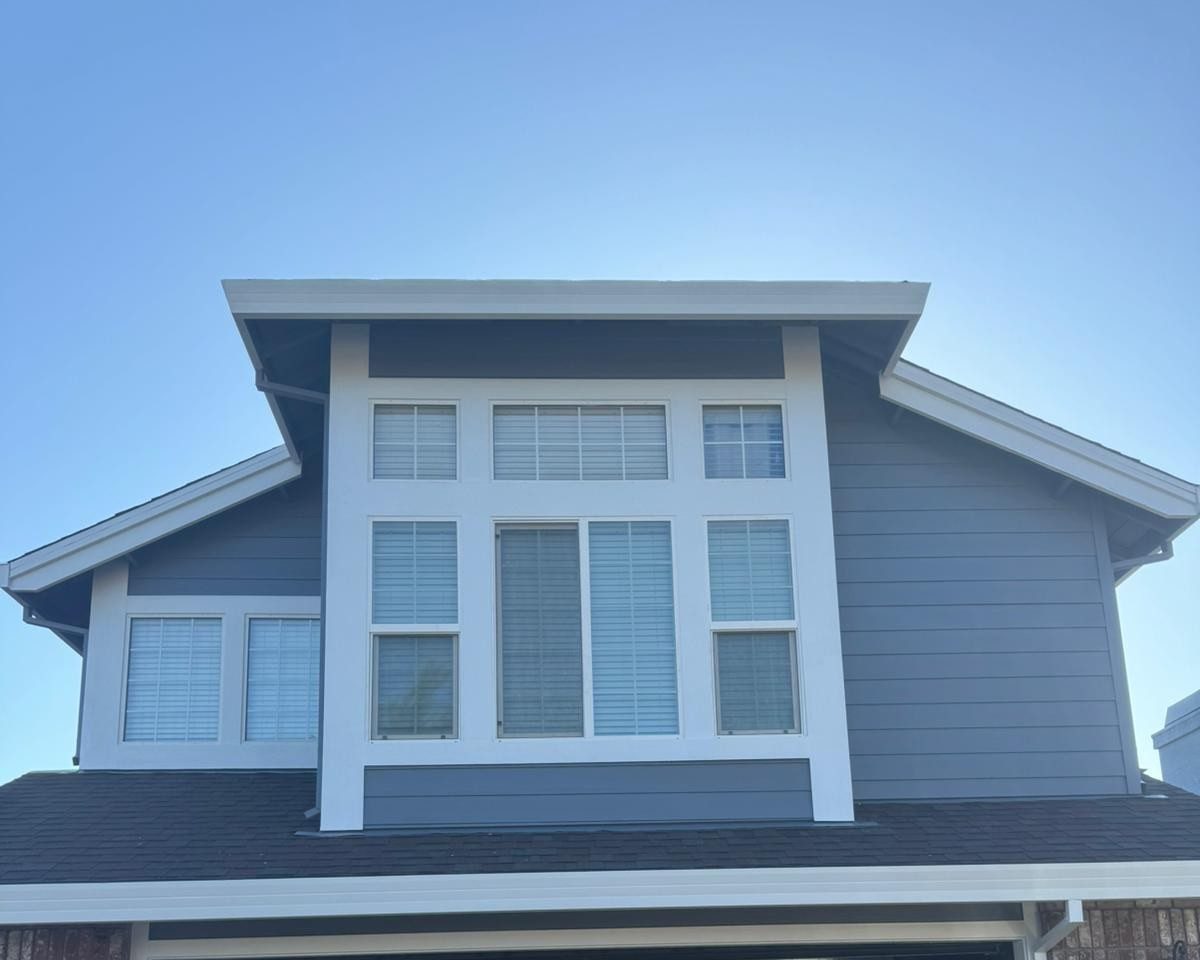 Siding
James Hardie Siding Installation
Location
Pleasanton
Products
James Hardie
Completed
May 28, 2026
Google rating 4.6 ★ from 47 public reviews
Siding Project Reviews
Verified public reviews from homeowners who hired Hamilton Exteriors.
S
Sarah M.
via Yelp
The team at Hamilton Exteriors was respectful, on time, and did excellent work. They made sure to communicate with us throughout the entire process. Our new siding looks beautiful, and the quality of the materials they used is top-notch.
E
Ethan W.
via HomeAdvisor
I recently hired Hamilton Exteriors to replace my siding and windows, and they did a fantastic job. Their team was punctual, polite, and paid close attention to detail. The siding looks seamless, and the new windows have made a noticeable difference in both appearance and energy efficiency. Communication was always clear, and they finished on time and within budget. I’m very happy with their work and would definitely recommend them.
L
Laura G.
via Nextdoor
Hamilton Exteriors repaired extensive dry rot damage on our home's exterior. Their attention to detail and commitment to quality were evident throughout the project. Our home looks better than ever.
H
H.T.
via Google
I had a great experience working with Hamilton exteriors. From start to finish, their team was professional, responsive, and detail-oriented. They made the entire process smooth and stress-free, keeping me updated every step of the way. The quality of their work really stands out. Everything was done efficiently and exceeded my expectations. If you’re looking for a reliable company that takes pride in what they do, I highly recommend them!
Google rating: 4.6/5 from 47 public reviews
Read reviews on Google Premium Market
Siding Costs in Mountain View
$34,000–$65,000
Median home value in Mountain View: $2,000,000
Prices reflect Mountain View's premium market and Santa Clara County labor rates. Actual costs depend on home size, materials, and project complexity. We provide free, itemized estimates with no hidden fees.
Get Your EstimateCompare Broad Siding System Paths
Swipe to compare all options.
| Feature | Vinyl | Fiber Cement | Stucco |
|---|---|---|---|
| Exterior finish | Interlocking panels | Lap, shingle, or panel profiles | Continuous textured finish |
| Moisture-control focus | Drainage plane and trim details | Clearances, flashing, and sealed joints | Lath, drainage, joints, and coatings |
| Fire planning | Project-specific product review | Noncombustible product path | Noncombustible wall finish path |
| Ongoing care | Cleaning and joint checks | Finish and sealant checks | Crack, joint, and coating checks |
| Dedicated guide | Vinyl siding | Fiber cement siding | Stucco |

Siding Financing
Plan Your Siding Project With Approved Credit
Financing may be available for eligible siding replacements and larger exterior wall projects with approved credit. During your siding consultation, we review the scope and explain current lender programs, terms, and payment timing.
Ask which current options fit your siding project.
 Call Now (650) 977-3351
 Frequently Asked Questions
Didn't find the answer to your question? Call Now (650) 977-3351
What areas do you serve?
We serve Northern California across three regions: the San Francisco Bay Area, Greater Sacramento, and the Central Valley. Our published guides cover 14 counties and 88 cities. Our Castro Valley and Sacramento offices support local estimating, permit coordination, and project planning across these regions.
How does billing and financing work?
Financing may be available for eligible projects with approved credit. Available terms depend on lender approval, project scope, and current programs. Your project manager can review the options that apply before work begins. We also accept checks, ACH, and major credit cards.
Are you licensed and insured?
Yes. Hamilton Exteriors holds CSLB License #1078806, active general liability coverage, and the required contractor bond. We also hold GAF Master Elite and James Hardie Elite Preferred credentials. We can provide current proof of coverage before work begins.
Do I need a permit for my exterior project?
Permit requirements depend on the project scope and local jurisdiction. Hamilton Exteriors coordinates required applications, plan documents, corrections, and inspections. Permit fees and allowances appear in the proposal before construction begins.
How much does siding replacement cost in Mountain View?
A full siding replacement on a typical Mountain View home costs $12,500 to $50,000 depending on material (Hamilton Exteriors 2024-2026 project data). Vinyl runs $12,500 to $28,000. James Hardie fiber cement runs $28,000 to $50,000. Stucco re-application runs $24,000 to $42,000. Multi-story homes and homes with dry rot add to the total. Every Hamilton Exteriors estimate is fully itemized.
Do I need a permit for siding replacement in Mountain View?
Yes. Mountain View requires a building permit for siding replacement. The Mountain View Building Division handles applications and inspections. Permit fees typically run $300 to $800. Hamilton Exteriors handles the entire permit process for every project.
How long does siding installation take in Mountain View?
James Hardie fiber cement projects typically take 1 to 2 weeks. Vinyl siding takes 3 to 5 days. Timeline depends on your home's square footage, number of stories, and architectural complexity. If we discover dry rot during tear-off, repairs add 1 to 3 days.
What is the best siding material for Mountain View's climate?
James Hardie fiber cement is the best choice for most Mountain View homes. It handles the 95-degree summer heat without warping, resists winter fog and moisture, carries a Class A fire rating, and delivers 86 percent ROI at resale. Vinyl is a good budget option for homes not in fire hazard zones.
Is fiber cement siding worth the extra cost over vinyl?
Yes for most Mountain View homeowners. Fiber cement lasts 50-plus years versus 20 to 30 for vinyl, delivers higher resale value, and resists fire and moisture better. The higher upfront cost pays for itself over the life of the material.
Your Next Step
Plan Your Project With a Clear Scope
Financing may be available with approved credit for eligible projects.
Tell us about your project. We usually call within 3–5 minutes to schedule the next step.

← All services in Mountain View
Also serving Mountain View
Roofing in Mountain ViewWindows in Mountain ViewADUs in Mountain ViewCustom Homes in Mountain ViewAdditions in Mountain ViewDecks in Mountain View
Siding in nearby cities
21634 Redwood Rd Unit F, Castro Valley, CA 94546
Serving 88 cities across the Bay Area, Greater Sacramento, and Central Valley. Explore all service areas →