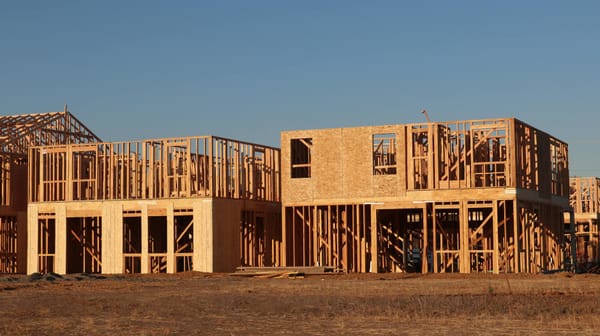

A second story addition in Walnut Creek, California, costs between $200 and $400 per square foot in 2026 (Hamilton Exteriors 2024-2026 project data). For a typical 800 to 1,500 square foot addition, the total project budget ranges from $160,000 to $600,000, including design, structural engineering, permits, and construction. The final price depends on the complexity of your existing home's structure, the finishes you select, and the specific requirements of Contra Costa County's building codes.
This guide provides Walnut Creek-specific pricing data, permit context, and the structural factors that influence your bottom line. At Hamilton Exteriors, we provide fully itemized estimates with per-square pricing. Every cost is transparent before you sign a contract.
Average Second Story Addition Cost in Walnut Creek
For a single-family home in Walnut Creek, here is what you can expect to pay for a second story addition in 2026, broken down by project scope:
- 400 sq ft addition (one bedroom, one bathroom): $160,000 to $240,000
- 800 sq ft addition (two bedrooms, one bathroom): $240,000 to $400,000
- 1,200 sq ft addition (three bedrooms, two bathrooms): $360,000 to $540,000
- 1,500 sq ft addition (primary suite plus two bedrooms): $450,000 to $600,000
These ranges include architectural design, structural engineering, building permits, demolition of the existing roof, framing, roofing, siding, windows, rough-in for electrical and plumbing, insulation, drywall, interior finishes, and final inspections. Site-specific conditions like foundation reinforcement, seismic upgrades, and hazardous material abatement are additional and discussed below.
Why do Walnut Creek second story additions cost more than the national average? Three factors drive Bay Area pricing. First, labor rates for skilled carpenters, electricians, and plumbers in Contra Costa County are 15 to 25 percent higher than the U.S. median, reflecting the region's cost of living. Second, California's seismic building codes (California Building Code Chapter 16) require specific structural engineering, foundation bolting, and shear wall design that add to design and construction costs. Third, Walnut Creek's permit fees and plan check process add $5,000 to $15,000 to a typical project, depending on scope and whether expedited review is available (Hamilton Exteriors 2024-2026 project data).
What Affects Your Second Story Addition Cost in Walnut Creek?
Two homes on the same street can receive quotes that differ by $50,000 or more (Hamilton Exteriors 2024-2026 project data). Here are the factors that drive those differences in Walnut Creek specifically.
Existing Foundation and Structural Capacity
The single largest cost variable is whether your existing foundation can support a second story without reinforcement. Many Walnut Creek homes were built between the 1950s and 1970s, and their foundations were designed for single-story loads only. A structural engineer's assessment ($1,500 to $3,000) is required before any second story project begins (Hamilton Exteriors 2024-2026 project data).
If your foundation needs reinforcement, common upgrades include:
- Foundation bolting and cripple wall bracing: $8,000 to $15,000 (Hamilton Exteriors 2024-2026 project data). Required for homes built before 1980 to meet current seismic standards.
- Steel moment frames or shear walls: $15,000 to $40,000. Needed when the existing wall framing cannot resist the lateral forces introduced by a second story.
- Underpinning or footing enlargement: $20,000 to $50,000. Required when soil conditions or existing footing dimensions are inadequate for the added load.
Walnut Creek's location between the Hayward Fault and the Concord Fault means seismic design is not optional. The California Building Code (CBC Section 1613) requires all new construction and significant additions to meet current earthquake resistance standards. This is a safety requirement, not a negotiable upgrade.
Roof Demolition and Re-Framing
Adding a second story means removing your existing roof, which adds cost compared to a ground-floor room extension. Roof demolition and disposal typically runs $8,000 to $15,000 for a standard Walnut Creek home (Hamilton Exteriors 2024-2026 project data). The new floor framing for the second story — engineered joists, subfloor, and structural connections — adds $25,000 to $50,000 depending on the footprint.
After the second story is framed, you need a new roof. A new asphalt shingle roof on a 1,200 sq ft second story costs $12,000 to $22,000 in Walnut Creek. If you choose standing seam metal or tile, expect $25,000 to $45,000. See our roof replacement cost in the Bay Area guide for detailed material pricing.
Walnut Creek Permit Fees and Plan Check
The City of Walnut Creek's Building Division requires building permits for all second story additions. Permit fees are calculated based on the project valuation and typically range from $5,000 to $15,000 for a second story addition. This includes plan check fees, building permit issuance, and inspection fees for structural, electrical, plumbing, and mechanical work.
Plan check turnaround in Walnut Creek is typically 4 to 8 weeks for a complete submittal. Expedited plan check, if available, can reduce this to 2 to 4 weeks for an additional fee of $1,000 to $3,000 (Hamilton Exteriors 2024-2026 project data). Hamilton Exteriors handles the entire permit process — we prepare architectural drawings, structural engineering calculations, Title 24 energy compliance documentation, and submit plans to the city. Permit fees appear as a separate line item in your estimate.
Fire Zone Compliance in Walnut Creek Hills
Portions of Walnut Creek, particularly homes in the eastern hills and areas adjacent to open space, fall within Wildland-Urban Interface (WUI) fire zones as designated by CAL FIRE. The East Bay hills and Diablo Range are classified as State Responsibility Area Very High Fire Hazard Severity Zone (FHSZ) in parts of neighboring San Ramon, Lafayette, Orinda, and Danville, and some Walnut Creek neighborhoods share this designation.
If your home is in a WUI zone, your second story addition must comply with California Building Code Chapter 7A, which requires:
- Class A fire-rated roofing materials
- Vents with 1/8-inch corrosion-resistant mesh screens
- Exterior wall coverings that meet specific ignition-resistance standards
- Decking and balcony materials that comply with fire-rated assembly requirements
WUI compliance typically adds $5,000 to $12,000 to a second story project (Hamilton Exteriors 2024-2026 project data). Your project manager will verify your property's fire zone status during the initial site assessment.
Climate and Energy Efficiency
Walnut Creek's inland climate brings summer temperatures that regularly exceed 100°F, driving significant air conditioning demand. A second story addition must meet California's Title 24 energy efficiency standards, which require:
- High-performance insulation (R-30 ceiling, R-21 walls minimum)
- Low-E dual-pane windows with a U-factor of 0.30 or lower
- Cool roof materials that meet minimum solar reflectance index (SRI) values
- Duct leakage testing and HERS verification
These requirements add upfront cost but reduce long-term energy bills. According to the California Energy Commission, Title 24-compliant homes use 50 percent less energy than homes built to the previous code cycle. For a second story addition in Walnut Creek's hot summers, high-performance windows and insulation can reduce cooling costs by 15 to 25 percent annually.
Second Story Addition vs. Ground-Floor Room Extension in Walnut Creek
Walnut Creek homeowners often weigh a second story addition against a ground-floor room extension. Here is how the two compare in 2026:. Pricing reflects Hamilton Exteriors 2024-2026 project data.
| Factor | Second Story Addition | Ground-Floor Extension |
|---|---|---|
| Cost per sq ft | $200 – $400 | $175 – $350 |
| Structural work | Foundation reinforcement, roof removal, new floor framing | Foundation extension, no roof removal |
| Yard space used | None | 200 – 600 sq ft of yard |
| Permit timeline | 4 – 8 weeks | 3 – 6 weeks |
| Build time | 16 – 24 weeks | 8 – 12 weeks |
| Best for | Maximizing space on smaller lots, preserving yard | Single-story living, easier access |
Walnut Creek lots average 7,000 to 10,000 square feet, according to Contra Costa County assessor data. While this is larger than many Bay Area cities, homeowners in neighborhoods like Northgate, Rancho Paraiso, and Tice Valley often prefer a second story addition to preserve their outdoor living space and avoid reducing their yard. For homes on larger lots in areas like Saranap or unincorporated Contra Costa County near Walnut Creek, a ground-floor extension may be more cost-effective.
How Hamilton Exteriors Approaches Second Story Additions in Walnut Creek
At Hamilton Exteriors, every second story addition begins with an architect-led assessment. Unlike most general contractors who subcontract design to a third party, our process is led by Alex Hamilton Li, a licensed architect and general contractor (CSLB #1078806). This means your project is designed and built by the same team, eliminating the gaps between design intent and construction reality that cause delays and budget overruns.
Our Walnut Creek second story addition process:
- Initial consultation and site assessment. We visit your home, assess the existing structure, discuss your goals, and provide a preliminary budget range. This consultation is complimentary.
- Structural engineering evaluation. Our structural engineer evaluates your foundation, framing, and soil conditions. We provide a written report with specific reinforcement requirements and costs.
- Architectural design. Alex designs your second story to match your home's existing architecture, maximize natural light, and flow naturally with the floor plan below. We present 3D renderings so you can see the finished project before construction begins.
- Permit submittal. We prepare complete construction drawings, structural calculations, and Title 24 energy compliance documentation. We submit plans to the City of Walnut Creek Building Division and manage the plan check process.
- Construction. Your dedicated project manager oversees every phase — demolition, framing, roofing, rough-in, finishes, and inspections. You receive weekly progress updates with photos.
- Final walkthrough. We walk the completed addition with you, address any punch list items, and ensure every detail meets our standards.
Every estimate is fully itemized. You see the cost of design, engineering, permits, demolition, framing, roofing, windows, electrical, plumbing, HVAC, insulation, drywall, finishes, and project management as separate line items. every line itemized, every cost itemized.
Walnut Creek Second Story Addition Cost by Neighborhood
While the per-square-foot range applies across Walnut Creek, specific neighborhoods have characteristics that influence cost:
- Northgate and Rancho Paraiso: Larger custom homes built primarily in the 1970s and 1980s. These homes often have complex roof geometries that increase demolition and re-framing costs by 10 to 15 percent. Typical second story addition budget: $300,000 to $550,000 (Hamilton Exteriors 2024-2026 project data).
- Downtown Walnut Creek and Saranap: Older housing stock from the 1940s through 1960s. These homes frequently need foundation reinforcement and seismic upgrades before a second story can be added. Budget an additional $20,000 to $40,000 for structural work. Typical second story addition budget: $250,000 to $450,000.
- Tice Valley and Rossmoor: Rossmoor is a 55+ community with specific HOA restrictions on exterior modifications. Tice Valley homes range from mid-century ranchers to larger custom builds. Foundation conditions vary widely. Typical second story addition budget: $200,000 to $500,000.
- Rudgear Estates and Walnut Heights: Larger lots with custom homes. These projects often include high-end finishes that push the per-square-foot cost toward the upper end of the range. Typical second story addition budget: $350,000 to $600,000.
For a detailed breakdown of addition types and pricing across the region, see our Bay Area home additions page.
Hidden Costs to Watch For
A second story addition can uncover issues that were not visible during the initial assessment. Reputable contractors discuss potential hidden costs upfront and provide pricing for common contingencies.
Asbestos and lead paint abatement. Homes built before 1978 may contain lead paint, and homes built before the 1980s may have asbestos in popcorn ceilings, drywall compound, or flooring. Abatement adds $3,000 to $15,000 depending on the scope (Hamilton Exteriors 2024-2026 project data). Testing is required before demolition begins.
HVAC system upgrades. Your existing HVAC system may not have the capacity to heat and cool the added square footage. Upgrading to a larger system or adding a separate zone for the second story costs $8,000 to $20,000 (Hamilton Exteriors 2024-2026 project data). In Walnut Creek's hot summers, undersized AC is a comfort problem you will regret.
Electrical panel upgrade. A second story addition adds significant electrical load. If your existing panel is 100 amps or less, you will likely need a 200-amp upgrade. This costs $3,000 to $6,000 and requires PG&E coordination (Hamilton Exteriors 2024-2026 project data).
Temporary relocation. During the roof removal and framing phases, your home may not be weathertight. Most homeowners plan to stay elsewhere for 2 to 4 weeks during this period. Budget $3,000 to $8,000 for temporary housing, or discuss phasing options with your contractor to minimize displacement (Hamilton Exteriors 2024-2026 project data).
How to Budget for Your Walnut Creek Second Story Addition
A second story addition is a significant investment. Here is a practical budgeting framework for Walnut Creek homeowners in 2026:
- Start with the per-square-foot range. Multiply your desired square footage by $200 to $400 to get a preliminary budget range (Hamilton Exteriors 2024-2026 project data). An 800 sq ft addition: $160,000 to $320,000.
- Add structural contingency. If your home was built before 1980, budget an additional $20,000 to $50,000 for foundation reinforcement and seismic upgrades.
- Add permit fees. Budget $5,000 to $15,000 for Walnut Creek permit fees and plan check.
- Add design and engineering. Budget $15,000 to $30,000 for architectural design, structural engineering, and Title 24 energy compliance.
- Add finish upgrades. If you want premium finishes (hardwood floors, custom cabinetry, stone countertops), budget an additional $50 to $100 per square foot beyond the base range.
- Add contingency reserve. Set aside 10 to 15 percent of the total budget for unforeseen conditions discovered during construction.
For a typical 800 sq ft second story addition on a 1960s-era home in Walnut Creek with mid-range finishes, a realistic total budget is $280,000 to $380,000 (Hamilton Exteriors 2024-2026 project data).
Financing Your Second Story Addition
Most Walnut Creek homeowners finance their second story addition rather than paying cash. Common options include:
- Home equity line of credit (HELOC): Borrow against your home's equity at variable interest rates. Interest may be tax-deductible if the funds are used for home improvement. Current HELOC rates in the Bay Area range from 7 to 9 percent as of early 2026.
- Cash-out refinance: Replace your existing mortgage with a larger loan and take the difference in cash. Fixed rates provide payment stability. Best when current mortgage rates are lower than your existing rate.
- Construction loan: Short-term loan that converts to a permanent mortgage after construction is complete. Interest-only payments during construction. Rates are typically 1 to 2 percent higher than conventional mortgages.
- Contractor financing: Hamilton Exteriors partners with multiple lending providers to offer $0-down financing with approved credit, 12-month same-as-cash plans, and extended terms up to 15 years (Hamilton Exteriors 2024-2026 project data). You only pay for completed, inspected work.
Ask your project manager about financing options during your initial consultation. We will walk you through every option so you can choose what fits your budget.
Walnut Creek Second Story Addition Timeline
A typical second story addition in Walnut Creek follows this timeline:. Pricing reflects Hamilton Exteriors 2024-2026 project data.
| Phase | Duration | Key Activities |
|---|---|---|
| Design and engineering | 4 – 8 weeks | Architectural design, structural engineering, 3D renderings |
| Permit submittal and plan check | 4 – 8 weeks | City of Walnut Creek plan review, revisions if required |
| Demolition and framing | 4 – 6 weeks | Roof removal, floor framing, wall framing, roof trusses |
| Mechanical rough-in | 2 – 3 weeks | Electrical, plumbing, HVAC rough-in |
| Insulation and drywall | 2 – 3 weeks | Insulation, drywall hanging, taping, texturing |
| Finishes | 4 – 6 weeks | Flooring, cabinetry, trim, paint, fixtures |
| Final inspections | 1 – 2 weeks | City inspections, punch list, final walkthrough |
| Total | 16 – 24 weeks | From permit approval to final walkthrough |
Weather delays are uncommon during Walnut Creek's dry season (April through October) but can add 1 to 2 weeks during winter months. Your project manager provides a detailed schedule at contract signing and weekly progress updates with photos throughout construction.
Does a Second Story Addition Increase Property Value in Walnut Creek?
Yes. According to Remodeling Magazine's 2024 Cost vs. Value report, a second story addition in the Pacific West region recoups 65 to 75 percent of its cost at resale. In Walnut Creek's competitive housing market, where the median home price exceeds $1.2 million as of early 2026, adding square footage in desirable neighborhoods like Northgate, Rancho Paraiso, and Walnut Heights can return even more.
The key to maximizing resale value is designing the addition so it flows naturally with the existing home. A second story that looks like an afterthought — mismatched windows, awkward rooflines, inconsistent siding — can reduce rather than increase value. Hamilton Exteriors' architect-led approach ensures every addition is designed to match the original architecture and maximize long-term resale appeal.
For homeowners planning to stay in their home for 10 or more years, the financial return is secondary to the lifestyle benefit of gaining space without moving. In Walnut Creek, where move-up homes in the same neighborhood often cost $300,000 to $500,000 more than the existing home plus addition cost, building up is frequently the better financial decision (Hamilton Exteriors 2024-2026 project data).
Walnut Creek Second Story Addition FAQs
How much does a second story addition cost in Walnut Creek?
A second story addition in Walnut Creek costs $200 to $400 per square foot in 2026 (Hamilton Exteriors 2024-2026 project data). A typical 800 sq ft addition with two bedrooms and one bathroom ranges from $240,000 to $400,000 including design, engineering, permits, and construction. Homes built before 1980 often need foundation reinforcement that adds $20,000 to $50,000.
Do I need a permit for a second story addition in Walnut Creek?
Yes. The City of Walnut Creek Building Division requires building permits for all second story additions. Permit fees range from $5,000 to $15,000 depending on project valuation (Hamilton Exteriors 2024-2026 project data). Hamilton Exteriors handles the entire permit process, including architectural drawings, structural engineering, and Title 24 energy compliance documentation.
How long does a second story addition take in Walnut Creek?
Most second story additions in Walnut Creek take 16 to 24 weeks from permit approval to final walkthrough. Design and engineering add 4 to 8 weeks before permit submittal, and plan check adds another 4 to 8 weeks. The total timeline from initial consultation to move-in is typically 6 to 9 months.
Can my foundation support a second story?
Most single-story Walnut Creek homes can support a second story with proper structural engineering. Homes built before 1980 often need foundation bolting, cripple wall bracing, or moment frame installation to meet current California seismic standards. A structural engineer's assessment ($1,500 to $3,000) determines what reinforcement is needed (Hamilton Exteriors 2024-2026 project data).
Will I need to move out during construction?
Most homeowners stay elsewhere for 2 to 4 weeks during the roof removal and framing phases when the home is not weathertight. After the roof is on and the structure is dried in, you can typically remain in the home for the remainder of construction. Your project manager will provide a detailed phasing plan before construction begins.
Does a second story addition require fire sprinklers?
California Building Code requires fire sprinklers in new single-family homes. For a second story addition, the requirement depends on the scope of work and the local fire authority's interpretation. In Walnut Creek, a second story addition that adds more than 50 percent of the existing square footage typically triggers the sprinkler requirement. Budget $5 to $8 per square foot for a residential sprinkler system if required (Hamilton Exteriors 2024-2026 project data).
What is the difference between a second story addition and a pop-top?
A second story addition removes the existing roof and builds new living space above the existing footprint. A pop-top raises the existing roof to create higher ceilings on the upper floor, often without adding a full second story. Pop-tops are less common in Walnut Creek because most single-story homes have adequate ceiling height and the goal is adding square footage, not just volume.
How do I choose a contractor for my Walnut Creek second story addition?
Look for a contractor with a valid California CSLB license, specific experience with second story additions, and an architect-led or design-build process. Verify their license at cslb.ca.gov. Ask for references from completed second story projects in Walnut Creek or nearby Contra Costa County cities. Insist on an itemized estimate that breaks out design, engineering, permits, and construction as separate line items.
Does Hamilton Exteriors build second story additions in Walnut Creek?
Yes. Hamilton Exteriors builds second story additions throughout Walnut Creek, including Northgate, Rancho Paraiso, Tice Valley, Saranap, and downtown Walnut Creek. Our architect-led process ensures your addition is designed to match your home's architecture and built to California seismic standards. See our Walnut Creek additions page for local project examples and permit timelines.
How does a second story addition compare to building an ADU?
A second story addition adds square footage to your existing home, while an ADU is a separate dwelling unit. Second story additions cost $200 to $400 per square foot and add value directly to your home. ADUs cost $150 to $350 per square foot and can generate $2,000 to $3,500 per month in rental income. The right choice depends on whether you need more space for your family or want rental income. See our ADU cost in the Bay Area guide for a detailed comparison.
Related Reading
- Bay Area Second Story Addition Cost Guide
- Bay Area Home Additions — More Space Without Moving
- How Much Does It Cost to Build an ADU in the Bay Area?
- Roof Replacement Cost in the Bay Area
Ready to discuss your Walnut Creek second story addition? Call Hamilton Exteriors at (650) 977-3351 for a complimentary on-site consultation. Architect-led design, fully itemized estimates, and a 50-year warranty on every project. CSLB #1078806.