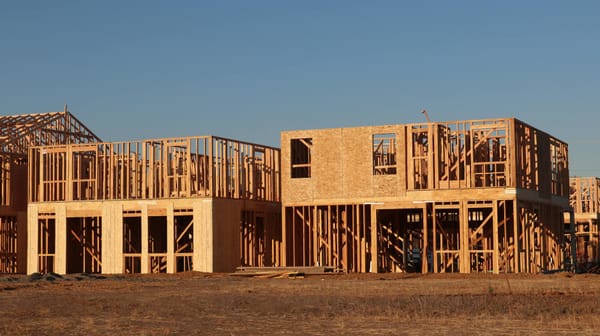

A home addition in Santa Clara, California costs between $200 and $450 per square foot in 2026, with most projects falling in the $250 to $350 range for standard finishes (Hamilton Exteriors 2024-2026 project data). For a typical 400-square-foot room extension, expect to budget $100,000 to $180,000. A full second-story addition of 1,000 square feet on an existing single-story home generally runs $250,000 to $450,000, including structural engineering, permits, and all finishes.
This guide provides Santa Clara-specific pricing, permit context, and design considerations from an architect-led design-build contractor who has completed projects across Santa Clara County. Every estimate we provide is fully itemized, so you see exactly where your investment goes.
What Drives Home Addition Costs in Santa Clara?
Several factors unique to Santa Clara influence the final price of a home addition. Understanding these variables helps you budget accurately and avoid surprises during construction.
Santa Clara Permit Fees and Timelines
The City of Santa Clara requires building permits for all home additions, including second-story additions, room extensions, and attached ADUs. Permit fees are calculated based on the project valuation and typically range from $5,000 to $15,000 for a standard addition (Hamilton Exteriors 2024-2026 project data). The Santa Clara Permitting Division processes applications digitally, and plan review timelines average 4 to 8 weeks for residential additions, depending on current workload and project complexity.
Santa Clara also enforces California's Title 24 energy efficiency standards, which mandate specific insulation values, window performance ratings, and HVAC efficiency minimums. Compliance documentation is required at plan submission. Hamilton Exteriors handles the entire permitting process, from architectural drawings and structural calculations to Title 24 reports and inspection scheduling.
Seismic and Structural Requirements
Santa Clara sits within a seismically active region influenced by the San Andreas, Calaveras, and Hayward fault systems. The California Building Code (CBC) requires all new residential additions to meet current seismic design standards, which often means upgrading the connection between the existing foundation and framing.
For second-story additions, a structural engineer must assess the existing foundation's capacity to support the additional load. Many Santa Clara homes built before 1980 require foundation bolting, cripple wall bracing, or steel moment frame installation to comply with CBC Section 1613. Structural reinforcement typically adds $15,000 to $40,000 to the project cost but brings the entire home up to modern earthquake resistance standards (Hamilton Exteriors 2024-2026 project data).
Liquefaction zones in the Santa Clara Valley alluvial plains may also require deeper foundations or soil improvement, adding $10,000 to $25,000 depending on the geotechnical report findings (Hamilton Exteriors 2024-2026 project data).
Climate and Energy Efficiency
Santa Clara experiences hot summers with temperatures regularly exceeding 95°F. The California Energy Commission's Title 24 standards require cool roof materials, high-performance insulation, and efficient HVAC systems for new additions. These requirements add upfront cost but reduce long-term energy bills.
For second-story additions, we specify R-38 ceiling insulation, R-21 wall insulation, and Low-E3 windows as standard. Cool roof shingles with a minimum solar reflectance index (SRI) of 25 are required for low-slope roofs and recommended for steep-slope roofs. These materials cost 5 to 10 percent more than standard products but can reduce cooling loads by 10 to 15 percent according to Lawrence Berkeley National Laboratory research.
Wildland-Urban Interface (WUI) Fire Zones
While the city of Santa Clara proper is largely outside high-risk fire zones, nearby foothill communities including Saratoga, Los Gatos, and parts of Cupertino fall within CAL FIRE's Very High Fire Hazard Severity Zones (FHSZ). If your Santa Clara County property is in a WUI zone, your addition must comply with California Chapter 7A building code requirements for fire-resistant construction.
Chapter 7A compliance affects exterior materials: Class A fire-rated roofing, ignition-resistant siding, ember-resistant vents, and dual-pane tempered glass windows. These requirements add $5,000 to $15,000 to a typical addition project (Hamilton Exteriors 2024-2026 project data). Hamilton Exteriors verifies your property's fire zone status during the initial consultation and incorporates any required fire-resistant materials into the estimate.
Santa Clara Home Addition Cost by Project Type
Every addition is unique, but these ranges reflect actual project data from Santa Clara County and the broader Bay Area market in 2026.
Second-Story Addition: $250 to $400 per Square Foot
Adding a second story is the most space-efficient way to expand a Santa Clara home, especially on the city's typical 5,000 to 7,000 square foot lots where yard space is limited. A 1,000-square-foot second story with two bedrooms and one bathroom typically costs $250,000 to $400,000 (Hamilton Exteriors 2024-2026 project data).
Second-story additions require structural engineering to verify the existing foundation and first-floor framing can support the new load. They also involve removing the existing roof, framing new floor joists and walls, and installing a new roof over the entire structure. The per-square-foot cost is higher than a ground-floor addition due to the complexity of working above an occupied space and the need for temporary weather protection during construction.
Build time for a second-story addition in Santa Clara averages 16 to 24 weeks from permit approval.
Room Extension: $200 to $350 per Square Foot
A ground-floor room extension — expanding a kitchen, adding a family room, or building out a primary suite — costs $200 to $350 per square foot (Hamilton Exteriors 2024-2026 project data). A 400-square-foot family room addition typically runs $80,000 to $140,000.
Room extensions require foundation excavation, concrete work, framing, roofing, and tying into the existing home's electrical, plumbing, and HVAC systems. The cost per square foot is generally lower than a second story because the structural work is less complex and the crew works at ground level.
Build time for a room extension averages 10 to 14 weeks.
Attached ADU: $200 to $350 per Square Foot
An attached accessory dwelling unit — a self-contained living space with its own entrance, kitchen, and bathroom — costs $200 to $350 per square foot (Hamilton Exteriors 2024-2026 project data). A 500-square-foot one-bedroom attached ADU typically runs $150,000 to $175,000.
Santa Clara's ADU ordinance allows attached ADUs up to 50 percent of the primary dwelling's square footage, with a maximum of 1,200 square feet. ADUs require separate utility connections or subpanels, which adds electrical and plumbing cost compared to a standard room addition.
For a deeper dive into ADU pricing, see our ADU cost guide.
Full Home Remodel with Addition: $250 to $450 per Square Foot
When a home addition is combined with a full remodel of the existing space, costs run $250 to $450 per square foot of total renovated area (Hamilton Exteriors 2024-2026 project data). This approach is common in Santa Clara's older neighborhoods, where 1950s and 1960s ranch homes benefit from both expanded square footage and updated floor plans, electrical systems, and finishes.
Santa Clara vs. Bay Area: How Local Costs Compare
Santa Clara home addition costs are slightly below the Peninsula average but above the East Bay. Here is how the city compares to neighboring markets in 2026:. Pricing reflects Hamilton Exteriors 2024-2026 project data.
| City | Cost per sq ft (mid-range) | Permit timeline | Key cost driver |
|---|---|---|---|
| Santa Clara | $250 – $350 | 4 – 8 weeks | Seismic upgrades on older foundations |
| San Jose | $250 – $350 | 4 – 8 weeks | Similar market, larger lot sizes in some areas |
| Sunnyvale | $275 – $375 | 4 – 8 weeks | Higher land values, stricter design review |
| Cupertino | $300 – $400 | 6 – 10 weeks | Top-tier school district premium, hillside lots |
| Palo Alto | $300 – $450 | 6 – 12 weeks | Highest Peninsula labor rates, stringent review |
| Campbell | $250 – $350 | 4 – 8 weeks | Comparable to Santa Clara, smaller homes |
Santa Clara's relatively flat terrain and grid street layout keep access costs lower than hillside cities like Los Gatos or Saratoga, where steep driveways and limited staging areas add 5 to 15 percent to labor costs.
What Is Included in a Santa Clara Home Addition Estimate?
A complete home addition estimate from Hamilton Exteriors includes every cost component as a separate line item. Here is what a typical Santa Clara addition estimate covers:
Design and engineering. Architectural drawings, structural engineering calculations, Title 24 energy compliance reports, and soil reports if required. Design fees range from $8,000 to $20,000 depending on project complexity (Hamilton Exteriors 2024-2026 project data).
Permits and fees. City of Santa Clara building permit fees, plan check fees, school district fees (if applicable), and any special inspection deposits. Budget $5,000 to $15,000 (Hamilton Exteriors 2024-2026 project data).
Site preparation and foundation. Excavation, formwork, rebar, concrete pour, and foundation waterproofing. Foundation work for a 400-square-foot addition typically runs $15,000 to $30,000 (Hamilton Exteriors 2024-2026 project data).
Framing and structural. Wall framing, floor joists, roof trusses or rafters, and structural hardware. For a second-story addition, this also includes temporary shoring and roof removal.
Roofing. Underlayment, shingles or roofing material, flashing, and gutters. Cool roof materials meeting Santa Clara's Title 24 requirements are standard. See our roof replacement cost guide for material-specific pricing.
Windows and doors. Low-E3 dual-pane windows meeting Title 24 standards, exterior doors, and any sliding glass doors. Window packages for a typical addition run $5,000 to $15,000 (Hamilton Exteriors 2024-2026 project data).
Mechanical, electrical, plumbing (MEP). HVAC ducting and equipment, electrical panel upgrades if needed, plumbing rough-in and fixtures, and lighting. MEP costs range from $20,000 to $50,000 depending on the scope (Hamilton Exteriors 2024-2026 project data).
Insulation and drywall. R-21 wall insulation, R-38 ceiling insulation, drywall hanging and finishing, and texture. Insulation and drywall for a 400-square-foot addition run $8,000 to $15,000 (Hamilton Exteriors 2024-2026 project data).
Interior finishes. Flooring, trim, paint, cabinetry, countertops, and fixtures. Finish costs vary widely based on material selection — budget $30 to $100 per square foot of finished space (Hamilton Exteriors 2024-2026 project data).
Cleanup and disposal. Debris removal, final cleaning, and any hazardous material abatement if the existing home contains asbestos or lead paint. Budget $2,000 to $5,000 (Hamilton Exteriors 2024-2026 project data).
Santa Clara Permit Process for Home Additions
The City of Santa Clara's Permitting Division handles all residential addition permits. The process follows these steps:
- Pre-application review (optional). A preliminary meeting with city planners to discuss zoning, setbacks, and design guidelines. This step is recommended for complex additions or properties in historic districts.
- Plan submission. Submit architectural drawings, structural calculations, Title 24 energy reports, and the permit application. Santa Clara accepts digital submissions through its online portal.
- Plan check. City reviewers examine plans for compliance with building code, zoning code, and energy standards. First-round comments typically return in 4 to 8 weeks.
- Revision and resubmission. Address plan check comments and resubmit. Most projects require one to two rounds of revisions.
- Permit issuance. Pay permit fees and receive the approved permit set. Construction may begin once the permit is issued and posted on site.
- Inspections. Schedule inspections at key milestones: foundation, framing, rough-in (electrical, plumbing, mechanical), insulation, drywall, and final. Santa Clara inspectors are generally responsive, with next-day inspection availability for most requests.
Hamilton Exteriors manages every step of this process. We prepare all drawings and calculations, submit plans, respond to plan check comments, and schedule every inspection through project completion.
How to Budget for Your Santa Clara Home Addition
A realistic budget accounts for the base construction cost plus contingencies. Here is a framework for Santa Clara homeowners:
Base construction cost. Multiply your planned square footage by $250 to $350 for standard finishes (Hamilton Exteriors 2024-2026 project data). A 400-square-foot addition: $100,000 to $140,000. A 1,000-square-foot second story: $250,000 to $350,000.
Design and engineering. Add $8,000 to $20,000 for architectural and structural engineering fees (Hamilton Exteriors 2024-2026 project data).
Permits and fees. Add $5,000 to $15,000 for City of Santa Clara permit fees and related charges (Hamilton Exteriors 2024-2026 project data).
Seismic upgrade contingency. If your home was built before 1980, add $15,000 to $40,000 for potential foundation and structural upgrades required by current code.
Finish upgrade allowance. If you are selecting premium finishes (hardwood floors, custom cabinetry, stone countertops), add $50 to $100 per square foot above the base finish allowance.
Contingency reserve. Set aside 10 to 15 percent of the total budget for unforeseen conditions discovered during construction. For a $200,000 project, that means $20,000 to $30,000 in reserve.
Total budget example for a 400-square-foot room extension with standard finishes:
- Base construction: $120,000
- Design and engineering: $12,000
- Permits: $8,000
- Seismic upgrade: $20,000
- Contingency (15%): $24,000
- Total: $184,000
Financing Options for Santa Clara Home Additions
Most Santa Clara homeowners finance their addition through one of these channels:
Home equity line of credit (HELOC). Borrow against your home's equity at variable interest rates. HELOCs offer flexibility — you draw funds as needed during construction and pay interest only on the amount drawn.
Cash-out refinance. Replace your existing mortgage with a larger loan and take the difference in cash. This option works well when current mortgage rates are favorable.
Construction loan. A short-term loan that converts to a permanent mortgage after construction is complete. Construction loans typically require detailed plans, a fixed-price contract, and periodic inspections before funds are released.
Contractor financing. Hamilton Exteriors partners with multiple lending providers to offer $0-down financing with approved credit, 12-month same-as-cash plans, and extended terms up to 15 years for larger projects. Your project manager will walk you through every option during your estimate appointment.
Does a Home Addition Increase Property Value in Santa Clara?
Yes. In Santa Clara's high-value real estate market, a well-executed home addition typically recoups 60 to 75 percent of its cost at resale, according to Remodeling Magazine's 2024 Cost vs. Value report for the Pacific West region.
The return depends heavily on the type of addition. Adding a bedroom and bathroom — increasing the home's bedroom count — delivers the strongest resale return because buyers filter by bedroom count when searching. A second-story addition that takes a home from three bedrooms to four or five can add $200,000 to $400,000 in market value in Santa Clara's current market.
Room extensions that expand living space without adding bedrooms (family rooms, expanded kitchens) still add value but at a lower rate of return — typically 50 to 65 percent of cost.
The key to maximizing resale value is designing the addition to feel original to the home. An addition that looks tacked on or uses mismatched materials will underperform at resale. Hamilton Exteriors' architect-led approach ensures every addition integrates seamlessly with the existing architecture.
Common Questions About Santa Clara Home Additions
How much does a 500 sq ft addition cost in Santa Clara?
A 500-square-foot room addition in Santa Clara typically costs $125,000 to $175,000 for standard finishes, including permits, foundation, framing, roofing, MEP, and interior finishes. If the addition includes a bathroom or kitchen, expect the higher end of the range due to plumbing and fixture costs.
How long does it take to get a permit for a home addition in Santa Clara?
The City of Santa Clara's plan check process for residential additions averages 4 to 8 weeks for first-round comments. Most projects require one to two rounds of revisions, adding 2 to 4 weeks per round. Total permit timeline from submission to issuance is typically 8 to 14 weeks.
Do I need a structural engineer for a second-story addition in Santa Clara?
Yes. California Building Code requires structural engineering calculations for any second-story addition. The engineer must verify that the existing foundation and first-floor framing can support the additional load, and design any required reinforcement. Hamilton Exteriors includes structural engineering in every second-story addition project.
Can I live in my home during a second-story addition?
It depends on the scope. For a full second-story addition, the existing roof must be removed, which exposes the interior to weather. Most homeowners relocate for 4 to 8 weeks during the framing and roofing phase. For a partial second story or room extension, it is often possible to remain in the home with a temporary weather barrier in place. Your project manager will provide a detailed phasing plan before construction begins.
What is the difference between a room addition and an ADU in Santa Clara?
A room addition expands the primary living space and shares the home's entrance, kitchen, and utilities. An ADU (accessory dwelling unit) is a self-contained living space with its own entrance, kitchen, bathroom, and utility connections. Santa Clara allows both attached and detached ADUs. ADUs have specific size limits and parking requirements under state law, while room additions are governed only by the underlying zoning code.
How do I choose between a second story and a room extension?
The decision comes down to lot size, budget, and how you want to use the space. A second story maximizes square footage without consuming yard space — ideal for Santa Clara's smaller lots. A room extension is less expensive per square foot and less disruptive during construction but reduces yard area. If you have a large lot and only need one or two rooms, a ground-floor extension is usually the better value. If you need significant additional space and want to preserve your yard, a second story is the right choice.
Does Santa Clara require fire sprinklers for home additions?
California Building Code requires fire sprinklers for new single-family homes. For additions, sprinklers are required if the addition exceeds 50 percent of the existing home's square footage or if the existing home is undergoing a substantial remodel. Your project manager will confirm whether sprinklers are required during the design phase.
How do I verify a contractor's license in Santa Clara?
Check the contractor's license number on the California State License Board website. Hamilton Exteriors holds CSLB license #1078806, which you can verify at cslb.ca.gov. We also recommend checking the contractor's insurance certificates, worker's compensation coverage, and references from recent Santa Clara projects.
Why Santa Clara Homeowners Choose Hamilton Exteriors
Alexander Hamilton Li, Architect and General Contractor (CSLB #1078806), founded Hamilton Exteriors to bring an architect's design sensibility to every home addition project. Unlike most Bay Area contractors who rely on outside designers, Hamilton Exteriors provides architectural design, structural engineering coordination, and construction under one roof.
Our Santa Clara additions include second-story expansions in the Old Quad neighborhood, room extensions on Pruneridge Avenue, and attached ADUs near Santa Clara University. Every project starts with a detailed site evaluation and a fully itemized estimate — every line itemized, no allowances that balloon later.
We hold GAF Master Elite, Owens Corning Preferred, CertainTeed ShingleMaster, and James Hardie Elite Preferred certifications. Each requires annual training and quality audits to maintain. Our crews are manufacturer-trained, background-checked, and covered by full worker's compensation and general liability insurance.
Related Resources
- Bay Area home additions — our full additions service page with project gallery and warranty details
- Bay Area second story addition cost guide — regional pricing across all six counties
- ADU cost guide — detailed pricing for detached ADUs, garage conversions, and junior ADUs
- Santa Clara additions page — city-specific permit timelines and project examples
- Roof replacement cost guide — material-by-material pricing for the roofing portion of your addition
Ready to discuss your Santa Clara home addition? Call (650) 977-3351 or request your itemized estimate online. We respond within minutes and schedule on-site consultations within three days.