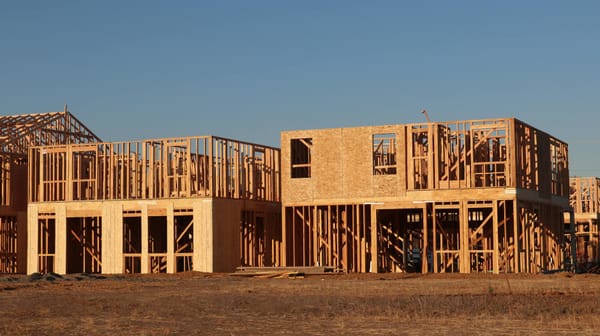

A second story addition in San Jose costs between $250,000 and $600,000 in 2026, or roughly $300 to $500 per square foot (Hamilton Exteriors 2024-2026 project data). This range covers everything from a basic 800-square-foot addition with two bedrooms and a bathroom to a high-end 1,500-square-foot primary suite with a luxury bath and walk-in closet. The final price depends on your home's existing structure, the complexity of the design, and the finish level you choose.
This guide breaks down every cost driver specific to San Jose, from Santa Clara County permit fees to seismic retrofitting requirements, so you can build an accurate budget before you talk to a contractor. At Hamilton Exteriors, we provide fully itemized estimates with per-square-foot pricing. You see exactly where every dollar goes.
What Does a Second Story Addition Cost in San Jose?
For a typical single-family home in San Jose, here is what you can expect to pay for a second story addition in 2026:
- 800 sq ft addition (2 bed, 1 bath): $250,000 to $400,000
- 1,200 sq ft addition (3 bed, 2 bath): $360,000 to $540,000
- 1,500 sq ft addition (primary suite + bonus room): $450,000 to $600,000
These figures include architectural design, structural engineering, permits, construction, and standard finishes. They do not include the cost of relocating during construction, which can add $2,000 to $5,000 per month depending on your alternative housing arrangement (Hamilton Exteriors 2024-2026 project data).
San Jose's per-square-foot costs run 10 to 20 percent higher than the national average. The primary drivers are elevated Bay Area labor rates, Santa Clara County's stringent building code requirements, and the seismic retrofitting that most San Jose homes need before a second story can be added.
San Jose Second Story Addition Cost Breakdown
Understanding where your money goes helps you make informed decisions about materials, scope, and contingencies. Here is a line-by-line breakdown for a typical 1,000-square-foot second story addition in San Jose:. Pricing reflects Hamilton Exteriors 2024-2026 project data.
| Cost Category | Typical Range | Percentage of Total |
|---|---|---|
| Architectural & Structural Engineering | $15,000 – $30,000 | 5 – 7% |
| City of San Jose Permit Fees | $8,000 – $15,000 | 3 – 4% |
| Seismic Retrofit (existing structure) | $20,000 – $50,000 | 6 – 10% |
| Foundation Reinforcement | $10,000 – $25,000 | 3 – 5% |
| Framing, Sheathing & Roofing | $60,000 – $100,000 | 18 – 22% |
| Electrical, Plumbing & HVAC | $40,000 – $70,000 | 12 – 15% |
| Windows & Exterior Finishes | $25,000 – $45,000 | 7 – 10% |
| Insulation & Drywall | $20,000 – $35,000 | 5 – 7% |
| Interior Finishes (flooring, trim, paint) | $30,000 – $60,000 | 10 – 13% |
| Kitchen/Bath Fixtures & Cabinetry | $25,000 – $55,000 | 8 – 12% |
| Contingency (10-15%) | $30,000 – $60,000 | 10 – 15% |
Sources: Hamilton Exteriors project data 2024–2026, City of San Jose Building Division, Remodeling Magazine 2024 Cost vs. Value Report (Pacific West).
San Jose Permit Requirements for Second Story Additions
Every second story addition in San Jose requires a full building permit from the City of San Jose Building Division. The permitting process is more involved than in many neighboring cities due to San Jose's size, its position in multiple seismic zones, and its Wildland-Urban Interface (WUI) fire zones in the eastern foothills.
Permit Fees
San Jose permit fees for a second story addition typically range from $8,000 to $15,000, depending on the project's valuation and square footage (Hamilton Exteriors 2024-2026 project data). The city uses a valuation-based fee schedule, meaning the permit cost scales with the total construction budget. This fee covers plan check, building inspection, and the final certificate of occupancy. Separate fees may apply for electrical, plumbing, and mechanical permits.
Plan Check Timeline
Plan check for a second story addition in San Jose takes 4 to 8 weeks for a standard review. If your home is in a historic district (such as Naglee Park or Hensley Historic District) or requires a discretionary design review, add 4 to 6 weeks. Hamilton Exteriors submits plans digitally through the SJPermits portal, which can reduce processing time by 1 to 2 weeks compared to paper submittal.
Inspections Required
San Jose requires a series of inspections throughout the project: foundation, framing, electrical rough-in, plumbing rough-in, mechanical rough-in, insulation, drywall, and final. Each inspection must be scheduled in advance, and the inspector's sign-off is required before the next phase can begin. Your contractor should manage this entire process.
Seismic Retrofitting: A San Jose-Specific Requirement
San Jose sits at the intersection of three major fault lines: the San Andreas, Calaveras, and Hayward faults. The United States Geological Survey (USGS) classifies much of the Santa Clara Valley as a high seismic hazard zone, and the California Geological Survey maps significant portions of San Jose as liquefaction zones — areas where saturated soils can lose strength during an earthquake.
When you add a second story, the California Existing Building Code (CEBC) requires that the existing structure be evaluated and, in most cases, strengthened to meet current seismic standards. This is not optional. The City of San Jose will require a structural engineer's assessment as part of your permit application.
Common Seismic Upgrades for San Jose Homes
- Foundation bolting: Adding anchor bolts to connect the mudsill to the foundation. Required on most pre-1980 homes. Cost: $3,000 to $8,000 (Hamilton Exteriors 2024-2026 project data).
- Cripple wall bracing: Reinforcing the short walls between the foundation and first floor with plywood sheathing. Cost: $5,000 to $12,000.
- Shear wall installation: Adding engineered plywood or OSB panels to exterior walls to resist lateral forces. Cost: $8,000 to $20,000.
- Moment frame installation: Steel frames that allow open floor plans while providing seismic resistance. Common in mid-century homes where large windows limit shear wall placement. Cost: $15,000 to $30,000.
- Foundation underpinning: Deepening or widening the existing foundation to support the added weight of a second story. Cost: $15,000 to $40,000.
The total seismic retrofit package for a San Jose second story addition typically runs $20,000 to $50,000 (Hamilton Exteriors 2024-2026 project data). While this is a significant line item, it brings your entire home up to current earthquake safety standards — a benefit that extends well beyond the addition itself.
How San Jose's Climate Affects Second Story Design
San Jose's climate is distinct within the Bay Area. Summers are hot and dry, with temperatures regularly exceeding 95°F in July and August. The National Weather Service records an average of 20 days per year above 90°F in San Jose, compared to just 4 days in San Francisco. This has direct implications for how your second story should be designed.
Cooling Load and Insulation
A second story addition in San Jose needs robust insulation and HVAC design to handle the summer heat load. California's Title 24 energy code requires:
- Attic insulation: R-38 minimum in vented attics (R-30 in some cathedral ceiling assemblies).
- Wall insulation: R-13 + R-4 continuous insulation, or R-20 in a single cavity.
- Cool roof: In San Jose, the California Energy Commission requires cool roof materials on low-slope roofs (less than 2:12 pitch) and strongly incentivizes them on steeper roofs. Cool roof shingles or metal roofing can reduce cooling costs by 10 to 15 percent, according to the Lawrence Berkeley National Laboratory.
Window Placement and Glazing
South- and west-facing windows on a second story will receive direct afternoon sun in San Jose. Title 24 requires:
- Solar Heat Gain Coefficient (SHGC): 0.25 or lower on west-facing windows.
- U-factor: 0.30 or lower for fenestration products.
We typically recommend low-E, dual-pane windows with argon fill for San Jose second story additions. These meet Title 24 requirements while maximizing natural light. Expect to pay $800 to $1,500 per window installed, depending on size and frame material (Hamilton Exteriors 2024-2026 project data).
WUI Fire Zone Requirements in San Jose Foothills
If your home is in the eastern San Jose foothills — neighborhoods like Evergreen, Silver Creek, or Alum Rock — it may fall within a Wildland-Urban Interface (WUI) Fire Hazard Severity Zone as designated by CAL FIRE. Homes in WUI zones must comply with California Building Code Chapter 7A, which mandates specific construction materials and methods for new additions.
For a second story addition in a San Jose WUI zone, this means:
- Exterior walls: Must use ignition-resistant materials (fiber cement siding, stucco, or treated wood with a Class A flame spread rating).
- Vents: Must be ember-resistant with 1/8-inch mesh screening.
- Roof covering: Must be Class A fire-rated (asphalt composition shingles, metal, or tile).
- Decking: If your second story includes a balcony or deck, the walking surface and support structure must meet ignition-resistant standards.
WUI compliance adds $5,000 to $15,000 to a second story addition, depending on the materials selected. Hamilton Exteriors is a James Hardie Elite Preferred Contractor, and we install fiber cement siding that meets Chapter 7A requirements while providing a clean, modern look.
San Jose Second Story Addition Cost by Neighborhood
San Jose is a large and diverse city, and costs vary by neighborhood based on home age, lot conditions, and local factors. Here is what we see across the neighborhoods we work in most often:. Pricing reflects Hamilton Exteriors 2024-2026 project data.
| Neighborhood | Typical Home Age | Common Structural Issues | Cost Range (1,000 sq ft) |
|---|---|---|---|
| Willow Glen | 1920s–1950s | Foundation bolting, cripple wall bracing, plaster walls | $350,000 – $500,000 |
| Rose Garden | 1920s–1940s | Historic character, lath-and-plaster, foundation work | $375,000 – $525,000 |
| Almaden Valley | 1960s–1980s | Larger lots, newer foundations, fewer seismic issues | $300,000 – $450,000 |
| Evergreen | 1970s–2000s | WUI zone compliance, hillside access | $325,000 – $475,000 |
| Cambrian | 1950s–1970s | Ranch homes, straightforward framing | $280,000 – $420,000 |
| Japantown/Downtown | 1900s–1940s | Historic district review, tight lots, access challenges | $400,000 – $550,000 |
| Berryessa | 1960s–1980s | Liquefaction zone, foundation reinforcement | $310,000 – $460,000 |
These ranges assume standard finishes. Premium finishes (custom cabinetry, hardwood floors, high-end tile) can push costs 20 to 30 percent higher.
Second Story Addition vs. Other Home Expansion Options in San Jose
Before committing to a second story, it is worth comparing the cost and return of other expansion strategies. Here is how they stack up in San Jose:. Pricing reflects Hamilton Exteriors 2024-2026 project data.
| Option | Cost per sq ft | Typical Total Cost | Best For |
|---|---|---|---|
| Second Story Addition | $300 – $500 | $250,000 – $600,000 | Maximizing space on a small lot |
| Ground-Floor Room Extension | $250 – $400 | $150,000 – $350,000 | Adding a single large room |
| Detached ADU | $250 – $450 | $200,000 – $500,000 | Rental income, multigenerational living |
| Garage Conversion ADU | $150 – $250 | $80,000 – $150,000 | Budget-conscious extra living space |
| Full Home Remodel | $200 – $400 | $300,000 – $800,000 | Outdated homes needing a complete refresh |
Sources: Hamilton Exteriors project data 2024–2026, City of San Jose ADU Guidelines, California Department of Housing and Community Development.
A second story addition is the most expensive option per square foot, but it is often the only way to significantly expand living space on San Jose's typical 5,000 to 7,000 square foot lots without sacrificing yard space. It also avoids the additional foundation work that a ground-floor extension requires, which can offset some of the cost difference.
How to Finance a Second Story Addition in San Jose
A $300,000 to $500,000 project requires thoughtful financing (Hamilton Exteriors 2024-2026 project data). San Jose homeowners typically use one of these options:
- Home equity line of credit (HELOC): Borrow against your home's equity at a variable interest rate. San Jose's strong home appreciation over the past decade means many homeowners have significant equity to tap. Rates in 2026 typically range from 7 to 9 percent.
- Cash-out refinance: Replace your existing mortgage with a larger one and take the difference in cash. This works well if current mortgage rates are lower than when you originally financed.
- Construction loan: A short-term loan that converts to a permanent mortgage after construction is complete. These loans are designed specifically for major renovations and additions.
- FHA 203(k) loan: A government-backed loan that bundles the home purchase or refinance with renovation costs. Loan limits in Santa Clara County are higher than the national average due to the area's high cost of living.
- Contractor financing: Hamilton Exteriors offers financing options with $0 down for qualified buyers, 12-month same-as-cash plans, and extended terms up to 15 years (Hamilton Exteriors 2024-2026 project data). Your project manager will walk you through every option during your estimate.
How Hamilton Exteriors Approaches Second Story Additions in San Jose
Most general contractors approach a second story addition as a framing job with finishes. At Hamilton Exteriors, we approach it as an integrated design-build project led by a licensed architect. Here is what that means for your San Jose project:
Architect-led design. I (Alex Hamilton Li, Architect & General Contractor, CSLB #1078806) personally oversee the design phase of every second story addition. This means your addition is designed to flow naturally with your existing home's architecture, not look like a box dropped on top. We consider roofline integration, window alignment, stair placement, and how the new space connects to the old — details that tradesmen-led contractors often miss.
In-house structural engineering. We work with a dedicated structural engineer who knows San Jose's seismic requirements and soil conditions. This eliminates the back-and-forth between contractor and outside engineer that can add weeks to the design phase.
San Jose permit expertise. We have pulled permits for projects in every San Jose neighborhood, from Willow Glen to Evergreen. We know the Building Division's plan check process, the inspectors' common concerns, and how to keep your project moving through the system.
Itemized pricing. Every estimate we provide breaks out design, engineering, permits, seismic retrofit, framing, mechanicals, finishes, and contingency as separate line items. You see exactly where your money goes before we start.
Dedicated project manager. One point of contact from the first design meeting through final walkthrough. You will always know who to call with questions.
Ready for a detailed estimate on your San Jose second story addition? Call us at (650) 977-3351.
Frequently Asked Questions
How much does a second story addition cost in San Jose?
A second story addition in San Jose costs $250,000 to $600,000 in 2026, depending on the size, finish level, and structural requirements of your existing home (Hamilton Exteriors 2024-2026 project data). Most 1,000-square-foot additions fall in the $300,000 to $450,000 range. This includes design, engineering, permits, construction, and standard finishes. Seismic retrofitting, which is required for most San Jose homes, adds $20,000 to $50,000 to the total.
How long does a second story addition take in San Jose?
From design to move-in, a second story addition in San Jose takes 8 to 14 months. The design and permitting phase accounts for 3 to 5 months (including architectural drawings, structural engineering, and City of San Jose plan check). Construction takes 5 to 9 months, depending on the scope and weather. Your project manager will provide a detailed schedule at contract signing.
Do I need a permit for a second story addition in San Jose?
Yes. The City of San Jose requires a full building permit for any second story addition. The permit process includes plan check by the Building Division, structural review, and potentially design review if your home is in a historic district. Permit fees range from $8,000 to $15,000 (Hamilton Exteriors 2024-2026 project data). Hamilton Exteriors handles the entire permit process.
Will my foundation support a second story?
Most single-story San Jose homes can support a second story with proper structural reinforcement. Our structural engineer will assess your existing foundation, framing, and soil conditions as part of the design phase. Common upgrades include foundation bolting, cripple wall bracing, and shear wall installation. Homes in San Jose's liquefaction zones may require deeper foundation work.
How much does a 1,000 sq ft second story addition cost in San Jose?
A 1,000-square-foot second story addition in San Jose typically costs $300,000 to $450,000 in 2026 (Hamilton Exteriors 2024-2026 project data). This includes three bedrooms, one or two bathrooms, a hallway, and standard finishes. The per-square-foot cost decreases slightly as the addition gets larger because fixed costs like design, engineering, and permits are spread over more square footage.
Does a second story addition increase property value in San Jose?
Yes. According to Remodeling Magazine's 2024 Cost vs. Value Report, a second story addition in the Pacific West region recoups 65 to 75 percent of its cost at resale. In San Jose's high-value market, adding bedrooms and bathrooms often returns even more, particularly in neighborhoods with good schools where comparable homes with the added square footage sell at a premium.
What is the difference between a second story addition and a pop-top?
A second story addition involves removing the existing roof, building new walls and floor framing on top of the first story, and installing a new roof over the entire structure. A "pop-top" is a colloquial term for the same process, often used when the second story is set back from the front facade to minimize the visual impact from the street. The structural and permitting requirements are the same.
Can I live in my home during a second story addition?
It is possible but challenging. The roof will be removed for a period of 2 to 4 weeks, during which the first floor is exposed to the elements. Most families choose to relocate during this phase. After the new roof is on and the structure is weather-tight, you can move back in while interior work continues. Budget $2,000 to $5,000 per month for temporary housing if you relocate (Hamilton Exteriors 2024-2026 project data).
How do San Jose's seismic requirements affect my second story addition?
San Jose sits near the San Andreas, Calaveras, and Hayward faults, and the city enforces strict seismic requirements under the California Existing Building Code. Your existing structure must be evaluated by a structural engineer and brought up to current seismic standards as a condition of the permit. This typically adds $20,000 to $50,000 to the project but significantly improves your home's earthquake safety (Hamilton Exteriors 2024-2026 project data).
What are the WUI fire zone requirements for second story additions in San Jose?
If your home is in a Wildland-Urban Interface (WUI) zone — common in the eastern foothills of Evergreen, Silver Creek, and Alum Rock — your second story addition must comply with California Building Code Chapter 7A. This requires ignition-resistant exterior materials, ember-resistant vents, and a Class A fire-rated roof covering. WUI compliance adds $5,000 to $15,000 to the project (Hamilton Exteriors 2024-2026 project data).
How do I choose a contractor for a second story addition in San Jose?
Look for a licensed California general contractor (verify their license at cslb.ca.gov), check their references for second story additions specifically, and insist on an itemized estimate. Ask about their experience with San Jose's permit process and seismic requirements. An architect-led design-build firm like Hamilton Exteriors can handle both the design and construction under one contract, which reduces coordination delays and cost overruns.
What finishes are included in a standard second story addition budget?
A standard budget includes painted drywall, mid-grade carpet or engineered wood flooring, fiberglass insulation, dual-pane vinyl or aluminum windows, standard bathroom fixtures, and basic trim. Premium upgrades — hardwood floors, custom cabinetry, stone countertops, high-end tile, and designer lighting — add 20 to 30 percent to the finish budget. Your estimate should clearly distinguish between standard and upgrade allowances.
How does San Jose's climate affect second story design?
San Jose's hot summers (averaging 20 days above 90°F per year) require careful attention to cooling load. California's Title 24 energy code mandates specific insulation levels, window performance, and cool roof materials. We design San Jose second stories with enhanced attic insulation, low-E windows with low solar heat gain coefficients on west-facing exposures, and HVAC systems sized for the added square footage.
Is a second story addition worth it compared to moving?
In San Jose's housing market, a second story addition often costs less than the transaction costs of selling your current home and buying a larger one. Real estate commissions (5 to 6 percent), closing costs, and moving expenses on a $1 (Hamilton Exteriors 2024-2026 project data).5 million home can exceed $100,000 — before you factor in the higher purchase price of a larger home. A second story addition lets you stay in your neighborhood and school district while getting the space you need.
Next Steps: Plan Your San Jose Second Story Addition
A second story addition is one of the largest investments you will make in your home. Getting the numbers right before you start is the difference between a smooth project and a stressful one.
At Hamilton Exteriors, we start every project with a detailed on-site assessment. We evaluate your existing structure, discuss your goals, and provide a fully itemized estimate with per-square-foot pricing. There is no cost for this initial consultation, and you will walk away with a clear picture of what is possible and what it will cost.
Call us at (650) 977-3351 or Get Your Free Quote to schedule your San Jose second story addition consultation. CSLB #1078806. Serving San Jose and all of Santa Clara County.
Related Reading
- Bay Area Second Story Addition Cost Guide — A broader look at pricing across all Bay Area counties.
- Bay Area Home Additions — Our full additions service page with project examples and financing options.
- San Jose Home Additions — City-specific service page with permit timelines and local project examples.
- How Much Does an ADU Cost in the Bay Area? — Compare second story costs with detached ADU options.