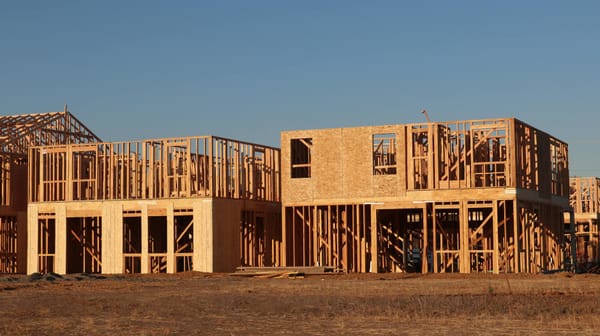

A second story addition in Napa, California, typically costs between $250 and $500 per square foot in 2026, with most projects landing in the $200,000 to $450,000 range for a complete 800 to 1,200 square foot addition (Hamilton Exteriors 2024-2026 project data). This price includes architectural design, structural engineering, building permits, construction, and standard finishes. Napa's unique combination of wine-country aesthetic expectations, Wildland-Urban Interface (WUI) fire zone requirements, and seismic considerations on the West Napa Fault means your project will require specialized planning that differs from other Bay Area cities.
This guide breaks down every cost factor specific to Napa, from permit timelines at the City of Napa Building Department to fire-hardening requirements that affect material choices and budget.
Average Second Story Addition Cost in Napa (2026)
For a typical Napa home with an existing single-story footprint of 1,200 to 1,800 square feet, here is what you can expect to pay for a second story addition in 2026:
- 800 sq ft addition (2 bedrooms, 1 bath): $200,000 to $320,000
- 1,000 sq ft addition (3 bedrooms, 1 bath): $250,000 to $400,000
- 1,200 sq ft addition (primary suite plus 2 bedrooms): $300,000 to $480,000
These ranges assume standard finishes appropriate for Napa's market. Premium finishes — custom cabinetry, imported tile, high-end fixtures — can push costs toward the upper end or beyond. The per-square-foot cost for second story additions in Napa runs approximately 15 to 25 percent higher than ground-floor room extensions because of the structural complexity of removing the existing roof, framing a new floor system, and re-roofing the entire structure.
Napa's costs trend toward the higher end of Bay Area pricing for several reasons. Labor availability is tighter than in more populous counties like Alameda or Santa Clara, and many Napa contractors specialize in wine-country estates where budgets are less constrained. Additionally, Napa County's post-2017 wildfire building codes impose material and design requirements that add cost compared to non-WUI jurisdictions.
What Drives the Cost of a Second Story Addition in Napa?
Structural Engineering and Seismic Requirements
Napa sits on the West Napa Fault, which produced the magnitude 6.0 South Napa earthquake in 2014. That event caused significant damage to older homes, particularly those with unreinforced masonry chimneys and cripple wall foundations. Any second story addition in Napa requires a structural engineer to assess the existing foundation and first-floor framing for seismic adequacy.
Most Napa homes built before 1980 will need some level of seismic upgrade as a condition of the building permit. Common upgrades include foundation bolting, cripple wall bracing with plywood shear panels, and the installation of hold-down anchors at shear wall locations. These upgrades typically add $15,000 to $40,000 to the project cost, but they bring the entire home up to current California Building Code (CBC) seismic standards — a significant safety improvement and a selling point for future buyers (Hamilton Exteriors 2024-2026 project data).
The structural engineering package itself — including calculations, stamped drawings, and the engineer's site assessment — runs $3,000 to $8,000 for a typical Napa second story addition (Hamilton Exteriors 2024-2026 project data).
WUI Fire Zone Compliance
Most of Napa County is designated as a Very High Fire Hazard Severity Zone (FHSZ) by CAL FIRE. This classification, updated significantly after the 2017 Atlas, Tubbs, and Nuns fires, triggers California Building Code Chapter 7A requirements for construction in the WUI.
For a second story addition, WUI compliance affects nearly every exterior material choice:
- Exterior walls: Must use ignition-resistant materials. Fiber cement siding (James Hardie) and stucco are compliant. Wood siding is not, unless treated with a fire retardant and documented.
- Roofing: Class A fire-rated roofing required. Asphalt architectural shingles (GAF Timberline HDZ, CertainTeed Landmark), standing seam metal, and concrete tile all qualify. Wood shake and shingle are prohibited.
- Vents: All attic and eave vents must be ember-resistant, with 1/8-inch or smaller mesh openings. WUI-compliant vent products add $200 to $600 to a typical project (Hamilton Exteriors 2024-2026 project data).
- Windows: Tempered glass is required in windows within 10 feet of property lines and in certain fire-exposed locations. Dual-pane, tempered windows add 15 to 25 percent to window costs.
- Decks and balconies: If your second story includes a deck, the decking material, support structure, and the area underneath must meet ignition-resistant standards. Composite decking with a Class A rating or metal decking is typically required.
WUI compliance adds an estimated $8,000 to $20,000 to a Napa second story addition compared to building the same project in a non-WUI Bay Area city (Hamilton Exteriors 2024-2026 project data). This is not optional — Napa County building inspectors will require Chapter 7A documentation at plan check and will verify compliance during framing and final inspections.
Design and Aesthetic Standards
Napa's wine-country aesthetic influences both design expectations and material costs. Many Napa neighborhoods — particularly in the Alta Heights, Browns Valley, and west-side historic districts — have strong architectural character that a second story addition must respect. A poorly designed addition that looks tacked-on can reduce, rather than increase, your home's value.
Working with an architect-led design-build firm like Hamilton Exteriors ensures the addition integrates with the original architecture. Our design process considers roofline continuity, window proportions, exterior material transitions, and how the addition reads from the street. In Napa, where homes range from Craftsman bungalows to mid-century ranchers to Mediterranean villas, this design sensitivity matters.
Architectural design fees for a second story addition in Napa typically run $8,000 to $20,000, depending on the complexity of the design and the level of finish specification (Hamilton Exteriors 2024-2026 project data). At Hamilton Exteriors, design is included in our design-build fee structure — you work with one team from concept through construction, with a single point of contact.
Napa Permit Process and Fees
The City of Napa Building Department handles permits for properties within Napa city limits. For homes in unincorporated Napa County, the Napa County Building Department is the permitting authority.
Permit Fees
Building permit fees for a second story addition in Napa are calculated based on the valuation of the work. For a project valued at $250,000 to $400,000, expect permit fees in the range of $4,000 to $8,000 (Hamilton Exteriors 2024-2026 project data). This includes the building permit, electrical, plumbing, and mechanical sub-permits. School impact fees may also apply; as of 2026, these are assessed per square foot of new habitable space and typically add $2 to $4 per square foot.
Plan Check Timeline
Napa's plan check process for residential additions typically takes 4 to 8 weeks for initial review, with an additional 2 to 4 weeks for resubmission if corrections are required. WUI compliance review adds time — the building department must verify Chapter 7A material specifications, which sometimes requires manufacturer documentation beyond what is typically included in a standard plan set.
Inspections
A second story addition in Napa will require the following inspections at minimum: foundation (if reinforcement is needed), underfloor, framing, shear wall nailing, WUI exterior materials, plumbing rough-in, electrical rough-in, mechanical rough-in, insulation, drywall, and final. Each inspection must be scheduled with the building department; typical turnaround is 24 to 48 hours from request to inspection.
Second Story Addition vs. Other Expansion Options in Napa
Before committing to a second story addition, Napa homeowners should understand how it compares to other expansion strategies. Napa's larger lot sizes — many properties sit on a quarter-acre or more — mean ground-floor additions and detached ADUs are viable alternatives that may cost less per square foot. Pricing reflects Hamilton Exteriors 2024-2026 project data.
| Expansion Type | Cost per sq ft | Typical Size | Total Cost Range | Best For |
|---|---|---|---|---|
| Second story addition | $250 – $500 | 800 – 1,200 sq ft | $200,000 – $480,000 | Maximizing space on smaller lots, preserving yard |
| Ground-floor room extension | $200 – $400 | 300 – 600 sq ft | $60,000 – $240,000 | Single-room expansion, kitchen/family room bump-outs |
| Detached ADU | $200 – $400 | 400 – 1,200 sq ft | $80,000 – $480,000 | Rental income, guest house, multigenerational living |
| Garage conversion ADU | $150 – $300 | 200 – 500 sq ft | $30,000 – $150,000 | Budget-friendly living space, no foundation work |
A second story addition makes the most sense when you need significant additional living space — two or more bedrooms plus a bathroom — and your lot size or layout makes outward expansion impractical. It is also the best option when you want to preserve yard space for gardens, pools, or Napa's indoor-outdoor living lifestyle.
For homeowners primarily interested in rental income or a separate living space for family members, a detached ADU may offer better return on investment. Read our Bay Area ADU cost guide for a detailed breakdown.
Material Choices and Their Cost Impact in Napa
Roofing Materials
The roof on your second story addition must tie into the existing roof or create a new roof profile for the entire home. In Napa's WUI zones, Class A fire-rated roofing is mandatory. The three most common choices:
- Asphalt architectural shingles: $940 to $1,125 per square (100 sq ft) installed. GAF Timberline HDZ and CertainTeed Landmark are the most popular products. Both carry Class A fire ratings and offer 30 to 50 year warranties. This is the most cost-effective option and works well with most Napa architectural styles.
- Standing seam metal: $1,400 to $1,800 per square installed. Excellent fire resistance and a 50+ year lifespan. The clean, contemporary look suits modern and mid-century Napa homes. Metal roofing also reflects solar heat, which reduces cooling costs during Napa's hot summers — Oak Ridge National Laboratory research shows reflective metal roofing can cut cooling energy use by 10 to 25 percent.
- Concrete tile: $1,500 to $2,000 per square installed. Common on Mediterranean and Spanish-style Napa homes. Tile is heavy — 9 to 12 pounds per square foot — and may require additional structural reinforcement. Lifespan of 50 to 75 years.
Siding Materials
WUI-compliant siding is required for the exterior walls of your second story addition. The three primary options:
- Fiber cement (James Hardie): $8 to $12 per square foot installed. The most popular WUI-compliant siding in Napa. Available in lap, panel, and shingle profiles that match traditional wood siding aesthetics. Non-combustible and carries a Class A fire rating. James Hardie fiber cement products are our standard recommendation for Napa additions.
- Stucco: $9 to $14 per square foot installed. Traditional three-coat stucco over metal lath is fully WUI-compliant and suits Napa's Mediterranean and Spanish-style homes. Requires skilled application to avoid cracking.
- Manufactured stone veneer: $15 to $25 per square foot installed. Often used as an accent material on lower portions of exterior walls. Non-combustible and adds architectural interest.
At Hamilton Exteriors, we are James Hardie Elite Preferred contractors, which means our crews are factory-trained and certified for fiber cement installation — a distinction held by fewer than 2 percent of Bay Area siding contractors.
Windows
WUI requirements for windows in Napa include tempered glass in fire-exposed locations and ember-resistant framing. Vinyl and fiberglass frames perform well in fire conditions; wood frames require additional protection. Dual-pane, low-E windows are standard for energy efficiency and Title 24 compliance. Budget $800 to $1,500 per window installed, depending on size and brand (Hamilton Exteriors 2024-2026 project data). Anlin, Milgard, and Andersen are the most commonly specified brands in Napa.
How Hamilton Exteriors Approaches Napa Second Story Additions
Most Bay Area contractors approach a second story addition as a purely structural project — frame it, roof it, finish it. At Hamilton Exteriors, we approach it as a whole-home integration project, because the addition affects your home's structural, thermal, and moisture performance from foundation to ridge vent.
Our process, led by Alex Hamilton Li, Architect and General Contractor (CSLB #1078806), includes:
Structural assessment first. Before we quote, our structural engineer evaluates your existing foundation, first-floor framing, and lateral load path. In Napa, where seismic risk is moderate to high and many homes predate modern shear wall requirements, this assessment is essential. We identify what reinforcement is needed and include it in the estimate — every cost itemized after demolition starts.
WUI compliance integrated into design. Rather than treating fire-hardening as a checklist item at plan check, we design WUI compliance into the project from day one. This means selecting exterior materials that meet Chapter 7A requirements while also suiting your home's architecture and your budget. We maintain current knowledge of Napa County's WUI requirements, which have evolved significantly since the 2017 wildfires.
Permit management. We handle the entire permit process — architectural drawings, structural engineering, Title 24 energy calculations, WUI documentation, plan submission, and inspection scheduling. You do not need to navigate the City of Napa Building Department alone.
Transparent, itemized pricing. Every estimate breaks out design, engineering, permits, structural upgrades, materials, labor, and finishes as separate line items. You see exactly where your money goes.
Frequently Asked Questions
How much does a second story addition cost in Napa?
A second story addition in Napa typically costs $250 to $500 per square foot in 2026, with most 800 to 1,200 square foot projects landing between $200,000 and $480,000 (Hamilton Exteriors 2024-2026 project data). This includes architectural design, structural engineering, WUI-compliant materials, building permits, and construction with standard finishes. Napa's costs run 15 to 25 percent higher than the Bay Area average due to WUI fire zone requirements, seismic upgrade needs on older homes, and tighter labor availability in Napa County.
Do I need a permit for a second story addition in Napa?
Yes. All second story additions in Napa require building permits from either the City of Napa Building Department (for properties within city limits) or Napa County (for unincorporated areas). The permit process includes plan check for structural, electrical, plumbing, and mechanical work, plus WUI compliance review. Permit fees for a typical second story addition range from $4,000 to $8,000. Hamilton Exteriors handles the entire permit process on your behalf.
How long does a second story addition take in Napa?
From permit approval to final inspection, a second story addition in Napa typically takes 16 to 24 weeks. The permit process itself adds 6 to 12 weeks before construction begins, depending on plan check workload at the building department and whether corrections are required. The framing phase — when your addition takes physical shape — accounts for 4 to 6 weeks. WUI compliance inspections add time compared to non-WUI jurisdictions, as the building department must verify Chapter 7A material specifications at multiple stages.
What WUI requirements affect second story additions in Napa?
Most of Napa County is designated as a Very High Fire Hazard Severity Zone by CAL FIRE, which triggers California Building Code Chapter 7A requirements. For a second story addition, this means: Class A fire-rated roofing, ignition-resistant exterior wall materials (fiber cement or stucco), ember-resistant attic and eave vents with 1/8-inch mesh, tempered glass windows in fire-exposed locations, and ignition-resistant decking if a balcony is included. WUI compliance adds an estimated $8,000 to $20,000 to a Napa second story addition compared to building in a non-WUI Bay Area city (Hamilton Exteriors 2024-2026 project data).
Will my Napa home's foundation support a second story?
Most single-story Napa homes can support a second story addition with proper structural reinforcement. Homes built before 1980 — which includes a significant portion of Napa's housing stock — typically need seismic upgrades as a condition of the building permit. Common upgrades include foundation bolting, cripple wall bracing, and shear wall installation. The 2014 South Napa earthquake exposed vulnerabilities in older foundations, and current code requires these to be addressed. Structural reinforcement typically adds $15,000 to $40,000 to the project cost (Hamilton Exteriors 2024-2026 project data). Our structural engineer assesses your specific foundation before we quote.
Does a second story addition increase home value in Napa?
Yes. In Napa's high-value real estate market, adding bedrooms and bathrooms almost always increases property value. According to Remodeling Magazine's 2024 Cost vs. Value report, second story additions in the Pacific West region recoup 65 to 75 percent of their cost at resale. In Napa specifically, where move-in-ready homes with four or more bedrooms command a significant premium over three-bedroom homes, the return can be even higher. A well-designed second story addition that adds two bedrooms and a bathroom can increase a Napa home's value by $300,000 to $500,000 depending on the neighborhood and school district.
Can I live in my home during a second story addition?
It depends on the scope of the project and your tolerance for disruption. During the roof removal and framing phases — typically 3 to 5 weeks — the home is exposed to the elements and construction activity is intense. Most Napa homeowners choose to relocate temporarily during this period. Once the new roof is on and the structure is weather-tight, it is possible to live in the ground floor while work continues upstairs, though noise, dust, and the presence of crews are ongoing. Your project manager will provide a detailed phasing schedule so you can plan accordingly.
How do I choose a contractor for a second story addition in Napa?
Look for a contractor with specific experience in Napa — someone who understands the local building department, WUI requirements, and the seismic considerations of building on the West Napa Fault. Verify their California State License Board (CSLB) license at cslb.ca.gov. Ask for references from completed second story additions in Napa or Napa County. Insist on an itemized estimate that breaks out design, engineering, permits, structural upgrades, materials, and labor. And consider working with a design-build firm rather than hiring separate architect and contractor — a single point of responsibility reduces coordination risk and typically results in a faster, smoother project.
What is the difference between a second story addition and a room extension?
A second story addition builds upward, adding living space above your existing home. A room extension builds outward on the ground floor, expanding the home's footprint into the yard. Second story additions cost more per square foot ($250 to $500 vs (Hamilton Exteriors 2024-2026 project data). $200 to $400 for ground-floor extensions) because of the structural complexity of removing the roof, framing a new floor, and re-roofing. However, they preserve yard space — a significant consideration in Napa, where outdoor living is central to the lifestyle. Second story additions also tend to add more value because they increase bedroom and bathroom count without sacrificing lot coverage.
Does Hamilton Exteriors work in Napa?
Yes. We serve all of Napa County, including the city of Napa, Yountville, St. Helena, Calistoga, and American Canyon. Our crews are based in Castro Valley, putting us within an hour of every Napa County city. We handle the entire project — design, engineering, permits, and construction — with a single point of contact. Read more about our Napa County services or see our Napa home additions page for city-specific permit and project information.
Related Reading
- Bay Area Second Story Addition Cost Guide — A comprehensive breakdown of costs across all Bay Area counties.
- How Much Does an ADU Cost in the Bay Area? — Compare second story additions with detached ADUs and garage conversions.
- Bay Area Home Additions — Our full additions service page, including second story, room extensions, and ADUs.
Ready to discuss your Napa second story addition? Call us at (650) 977-3351 or get your free quote online. CSLB #1078806. James Hardie Elite Preferred. GAF Master Elite Certified.