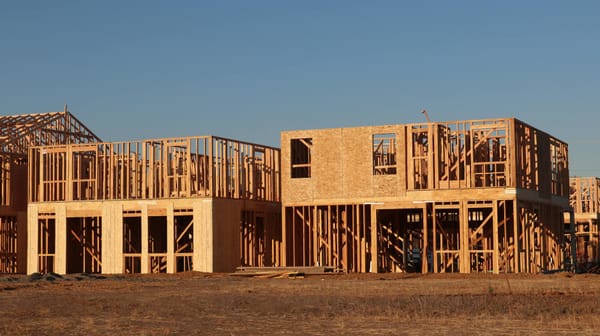

A second story addition in Fremont, California costs between $200 and $400 per square foot in 2026, with most projects landing between $160,000 and $600,000 depending on size, structural requirements, and finish level (Hamilton Exteriors 2024-2026 project data). A typical 800-square-foot second story with two bedrooms and one bathroom runs $200,000 to $320,000 including design, engineering, permits, and construction.
This guide covers every cost factor specific to Fremont — from Alameda County permit fees and Hayward Fault seismic requirements to the design-review process in Mission San Jose neighborhoods. At Hamilton Exteriors, we provide fully itemized estimates so you see exactly where your budget goes before any work begins.
What a Second Story Addition Costs in Fremont (2026)
Fremont pricing tracks slightly above the East Bay average due to the city's mix of older housing stock, seismic retrofit requirements, and varying lot conditions across its distinct neighborhoods. Here are the ranges we see on projects we quote and build:. Pricing reflects Hamilton Exteriors 2024-2026 project data.
| Project Scope | Typical Size | Cost Range (2026) |
|---|---|---|
| Small second story (1 bed, 1 bath) | 400–600 sq ft | $120,000–$240,000 |
| Mid-size second story (2 bed, 1 bath) | 700–1,000 sq ft | $210,000–$400,000 |
| Large second story (3 bed, 2 bath) | 1,200–1,500 sq ft | $360,000–$600,000 |
| Luxury primary suite addition | 500–800 sq ft | $200,000–$400,000 |
These ranges include architectural design, structural engineering, Title 24 energy compliance, Fremont building permits, demolition of the existing roof section, framing, roofing, drywall, flooring, electrical, plumbing, HVAC extension, and interior finishes at a mid-grade level. Custom cabinetry, high-end fixtures, and unforeseen structural reinforcement add to the upper end.
Per-square-foot costs decrease as the project gets larger because fixed costs — design, engineering, permits, and mobilization — spread across more square footage. A 400-square-foot addition will cost more per square foot than a 1,200-square-foot addition.
Fremont-Specific Factors That Affect Your Cost
Fremont is not a generic Bay Area city. Several local conditions directly influence what you will pay for a second story addition.
Seismic Requirements on the Hayward Fault
Fremont sits directly atop the Hayward Fault, one of the most active fault lines in California. The California Building Code (CBC Section 1613) requires seismic design for all new construction and additions. For a second story addition, this typically means:
- Foundation evaluation: An engineer must assess whether your existing foundation can support the added weight and lateral forces. Many Fremont homes built before 1980 have unreinforced concrete foundations that require bolting, epoxy anchoring, or partial replacement.
- Shear wall upgrades: The new second story and the existing first story must be engineered to resist seismic forces together. This often means adding plywood shear walls or steel moment frames on the ground floor.
- Cripple wall bracing: If your home has a crawl space, the cripple walls must be braced and bolted per current code.
Seismic retrofit work typically adds $15,000 to $40,000 to a Fremont second story project. The exact number depends on your home's age, foundation type, and soil conditions. A geotechnical report may be required if your lot is in a liquefaction zone — common in the flatlands west of I-880.
Fremont's Neighborhood Variety
Fremont spans five historically distinct areas — Centerville, Niles, Irvington, Mission San Jose, and Warm Springs — each with different housing stock and cost implications:
- Mission San Jose: Homes in this area often fall under hillside ordinances and may require additional geotechnical review. Older custom homes from the 1960s and 1970s frequently need structural upgrades. Design review can add 4 to 8 weeks to the permit timeline.
- Niles: Many homes date to the 1920s–1940s. Foundations are often unreinforced, and floor plans can be irregular, complicating structural engineering. Historic district overlays may apply.
- Centerville and Irvington: Predominantly 1950s–1970s ranch homes on larger lots. These are generally the most straightforward for second story additions — simpler foundations, rectangular footprints, and fewer hillside constraints.
- Warm Springs: Newer construction (1980s–2000s) typically has modern foundations and fewer seismic concerns, but HOA restrictions may apply in planned developments.
Fremont Building Permit Process
Fremont's Building and Safety Division processes addition permits through the Accela Citizen Access portal. Permit fees for a second story addition typically range from $8,000 to $15,000 depending on the project valuation. Plan check turnaround runs 4 to 8 weeks for standard reviews; expedited review is not always available.
Fremont requires:
- Full architectural plans stamped by a California-licensed architect
- Structural engineering calculations and drawings
- Title 24 energy compliance documentation
- School district fees (Fremont Unified School District assesses fees on residential additions over 500 sq ft)
- Fire sprinkler compliance per NFPA 13D for additions that increase the home's total square footage beyond certain thresholds
Hamilton Exteriors handles the entire permit process — from plan preparation through final inspection — as part of every project. Alex Hamilton Li, our founder, is a licensed architect (CSLB #1078806) and general contractor, which means design and permitting stay under one roof.
Cost Breakdown: Where Your Budget Goes
Understanding the line items helps you compare estimates and spot what is included versus what is not. Pricing reflects Hamilton Exteriors 2024-2026 project data.
| Cost Category | Percentage of Total | Typical Range (800 sq ft project) |
|---|---|---|
| Design and engineering | 8–12% | $16,000–$38,000 |
| Permits and fees | 3–5% | $8,000–$15,000 |
| Demolition and site prep | 3–5% | $6,000–$15,000 |
| Structural (foundation, framing, shear) | 20–25% | $40,000–$80,000 |
| Roofing | 5–8% | $12,000–$25,000 |
| Windows and exterior | 5–7% | $12,000–$22,000 |
| Mechanical (electrical, plumbing, HVAC) | 12–15% | $24,000–$48,000 |
| Insulation and drywall | 5–7% | $12,000–$22,000 |
| Interior finishes (flooring, trim, paint) | 10–15% | $24,000–$48,000 |
| Fixtures and cabinetry | 5–10% | $12,000–$32,000 |
| Contingency | 5–10% | $12,000–$32,000 |
These percentages are based on Hamilton Exteriors project data from 2024–2026 across Alameda County. Every estimate we provide is itemized line by line so you can see exactly how your budget allocates.
Second Story vs. Other Addition Types in Fremont
If you are considering adding space, a second story is one of several options. Here is how it compares:. Pricing reflects Hamilton Exteriors 2024-2026 project data.
| Addition Type | Cost per sq ft | Typical Fremont Range | Best For |
|---|---|---|---|
| Second story | $200–$400 | $160,000–$600,000 | Maximizing space on small lots, preserving yard |
| Ground-floor room extension | $175–$350 | $100,000–$300,000 | Single-room expansion, open-plan kitchens |
| Detached ADU | $150–$350 | $120,000–$400,000 | Rental income, multigenerational living |
| Garage conversion ADU | $100–$250 | $60,000–$150,000 | Budget-friendly living space |
Fremont lot sizes average 5,000 to 7,000 square feet, according to Alameda County assessor data. On lots this size, a ground-floor extension eats into yard space quickly. A second story preserves your outdoor area — a meaningful consideration in Fremont neighborhoods where backyard space is at a premium.
For more on accessory dwelling units, see our Bay Area ADU cost guide.
Structural Engineering: The Fremont Wildcard
The single largest variable in a Fremont second story addition is the condition of your existing structure. Homes built before modern seismic codes — roughly anything before 1990 — may need significant upgrades before a second story can be added.
Common structural issues we encounter in Fremont:
- Unreinforced masonry foundations: Common in pre-1940 homes in Niles and Centerville. These require full replacement or extensive retrofit.
- Undersized footings: Many 1950s–1960s ranch homes have footings designed only for a single story. Adding a second story may require underpinning or new footings.
- Inadequate shear resistance: Older homes often lack plywood shear walls. Adding them to the ground floor is typically required when a second story is added.
- Soft-story conditions: Homes with large garage openings or window walls on the ground floor may need steel moment frames to resist seismic forces.
A structural engineer's assessment costs $1,500 to $3,500 and is required before we can provide a firm quote on any second story project (Hamilton Exteriors 2024-2026 project data). We include this assessment in our design phase. If reinforcement is needed, we will show you exactly what is required and why, with a line-item cost before you commit to construction.
Design Considerations for Fremont Second Stories
A well-designed second story should look like it was always part of the house. In Fremont, this means matching the architectural character of your neighborhood.
Matching Existing Architecture
Fremont's housing stock spans several eras:
- 1920s–1930s Craftsman and bungalows (Niles, Centerville): Second stories should respect the original rooflines, eave details, and window proportions. We often set the second story back from the front facade to preserve the street-level character.
- 1950s–1970s ranch homes (Irvington, Glenmoor, Brookvale): These are the most common candidates for second story additions. A well-designed addition can transform a dated ranch into a two-story home with modern proportions while keeping the mid-century character intact.
- 1980s–2000s tract homes (Warm Springs, Ardenwood): Newer construction typically has fewer structural issues, but HOA design guidelines may restrict exterior changes. We navigate these approvals as part of our design process.
Staircase Placement
Adding a second story means adding a staircase. In a typical Fremont ranch home, this requires sacrificing 80 to 120 square feet of ground-floor living space. Common solutions:
- Repurpose a hallway or closet area: Minimizes impact on living space.
- Extend the footprint: Add a small ground-floor bump-out to house the staircase.
- Exterior staircase tower: A distinct architectural element that preserves interior floor plan.
Staircase design and construction typically adds $15,000 to $30,000 to the project, included in the per-square-foot ranges above (Hamilton Exteriors 2024-2026 project data).
Timeline: How Long a Fremont Second Story Takes
A typical second story addition in Fremont follows this timeline:. Pricing reflects Hamilton Exteriors 2024-2026 project data.
| Phase | Duration | Notes |
|---|---|---|
| Design and engineering | 6–10 weeks | Architectural plans, structural engineering, Title 24 |
| Permit review | 4–8 weeks | Fremont Building and Safety plan check |
| Construction | 16–24 weeks | Weather-dependent; dry season (April–October) is fastest |
| Inspections and closeout | 2–4 weeks | Fremont requires framing, mechanical, and final inspections |
Total timeline from signed design agreement to move-in: 7 to 11 months. Projects that start design in fall can break ground in spring and complete by the following fall.
How to Budget for Your Fremont Second Story
Financing Options
Most Fremont homeowners finance a second story addition rather than paying cash. Common approaches:
- Home equity line of credit (HELOC): Fremont home values have appreciated significantly, giving many homeowners substantial equity to draw on. Rates vary by lender.
- Cash-out refinance: If your current mortgage rate is higher than today's rates, refinancing can fund the addition while lowering your monthly payment.
- Construction loan: Short-term financing that converts to a permanent mortgage after construction. These loans disburse funds in draws as work is completed.
- Contractor financing: Hamilton Exteriors partners with multiple lenders to offer $0-down financing with approved credit, 12-month same-as-cash plans, and extended terms up to 15 years (Hamilton Exteriors 2024-2026 project data).
Return on Investment
According to Remodeling Magazine's 2024 Cost vs. Value report, second story additions in the Pacific West region recoup 65–75% of their cost at resale. In Fremont's competitive housing market — where median home values exceed $1.4 million as of early 2026 per Zillow — a well-executed second story that adds bedrooms and bathrooms can return 80% or more.
The key to maximizing ROI is designing the addition to match the neighborhood. A second story that looks like an afterthought will not command the same premium as one that integrates seamlessly with the original architecture.
Why Choose Hamilton Exteriors for Your Fremont Second Story
Most general contractors approach a second story as a framing and roofing job. We approach it as a whole-house design problem because Alex Hamilton Li is both a licensed architect and general contractor (CSLB #1078806). This dual perspective means:
- Design and construction under one roof: No finger-pointing between architect and contractor. One team, one contract, one point of accountability.
- Seismic expertise: We have engineered second story additions on homes directly on the Hayward Fault and understand what Fremont's building department requires.
- Fremont permit experience: We know the plan check reviewers, the common comments, and how to keep your permit moving.
- Itemized pricing: Every estimate breaks out design, engineering, permits, structural work, finishes, and contingency as separate line items. You see exactly where your money goes.
We have completed more than 500 projects across the Bay Area and hold a 4.8-star rating from verified homeowners. Our Fremont additions page has more detail on our local experience.
Frequently Asked Questions
How much does a second story addition cost in Fremont?
A second story addition in Fremont costs $200 to $400 per square foot in 2026 (Hamilton Exteriors 2024-2026 project data). A typical 800-square-foot project with two bedrooms and one bathroom runs $200,000 to $320,000 including design, engineering, permits, and construction. The wide range reflects differences in structural requirements, finish level, and site conditions. Homes on the Hayward Fault liquefaction zone or with older foundations will trend toward the higher end.
Do I need a permit for a second story addition in Fremont?
Yes. Fremont requires full building permits for any second story addition, including structural, electrical, plumbing, and mechanical permits. Permit fees range from $8,000 to $15,000 depending on project valuation. The Fremont Building and Safety Division processes applications through the Accela portal. Plan check typically takes 4 to 8 weeks. Hamilton Exteriors handles the entire permit process.
How long does a second story addition take in Fremont?
Design and engineering take 6 to 10 weeks. Fremont permit review takes 4 to 8 weeks. Construction takes 16 to 24 weeks. Total timeline from signed agreement to move-in is 7 to 11 months. Projects that start design in fall can break ground the following spring and complete by fall.
Will my foundation support a second story?
Many Fremont homes built before 1990 require some foundation or structural upgrade to support a second story. A structural engineer's assessment ($1,500 to $3,500) determines exactly what is needed (Hamilton Exteriors 2024-2026 project data). Common upgrades include foundation bolting, cripple wall bracing, shear wall installation, and footing reinforcement. These upgrades typically add $15,000 to $40,000 to the project but bring your entire home up to current seismic code.
Does a second story addition add value to my Fremont home?
Yes. Second story additions in the Pacific West region recoup 65–75% of their cost at resale, according to Remodeling Magazine's 2024 Cost vs. Value report. In Fremont's market, where median home values exceed $1.4 million, a well-designed second story that adds bedrooms and bathrooms can return 80% or more. The key is designing the addition to integrate with the original architecture.
What is the difference between a second story and a room extension?
A second story adds space above the existing home and preserves yard area. A room extension adds space outward on the ground floor and consumes yard area. Second stories cost more per square foot ($200–$400 vs. $175–$350) due to structural complexity but are often the better choice on Fremont's 5,000–7,000-square-foot lots where yard space is limited. See our Bay Area home additions page for a full comparison.
Are there Fremont-specific building code requirements I should know about?
Yes. Fremont enforces California Building Code Chapter 16 seismic requirements due to the Hayward Fault. Homes in hillside areas (Mission San Jose, parts of Niles) may require geotechnical reports and hillside development permits. Fremont Unified School District assesses fees on residential additions over 500 square feet. Fire sprinklers may be required if the addition increases total square footage past certain thresholds. We handle all code compliance as part of our design-build process.
Can I live in my home during a second story addition?
Most families choose to stay elsewhere during the 2 to 3 weeks when the roof is open and the new floor framing is being installed. For the remainder of construction — roughly 14 to 20 weeks — the ground floor remains habitable with a temporary weather barrier separating the construction zone. We discuss your specific living situation during the design phase and build a schedule that minimizes disruption.
How do I get started with a second story addition in Fremont?
Start with an on-site consultation. We will assess your home's structural condition, discuss your goals, and provide a preliminary budget range. If you decide to move forward, we begin the design and engineering phase — architectural plans, structural calculations, and Title 24 compliance — and submit for permits. Call (650) 977-3351 or use the form below to schedule.
Related Reading
- Bay Area Second Story Addition Cost Guide — County-by-county pricing across all six Bay Area counties
- Bay Area Home Additions — Full service overview: second story, room extensions, ADUs, and full remodels
- How Much Does an ADU Cost in the Bay Area? — 2026 guide to accessory dwelling unit costs
- Fremont Additions — City-specific page with permit timelines and local project examples